
Back to School Window Display Ideas That Pull Shoppers In During the First Week
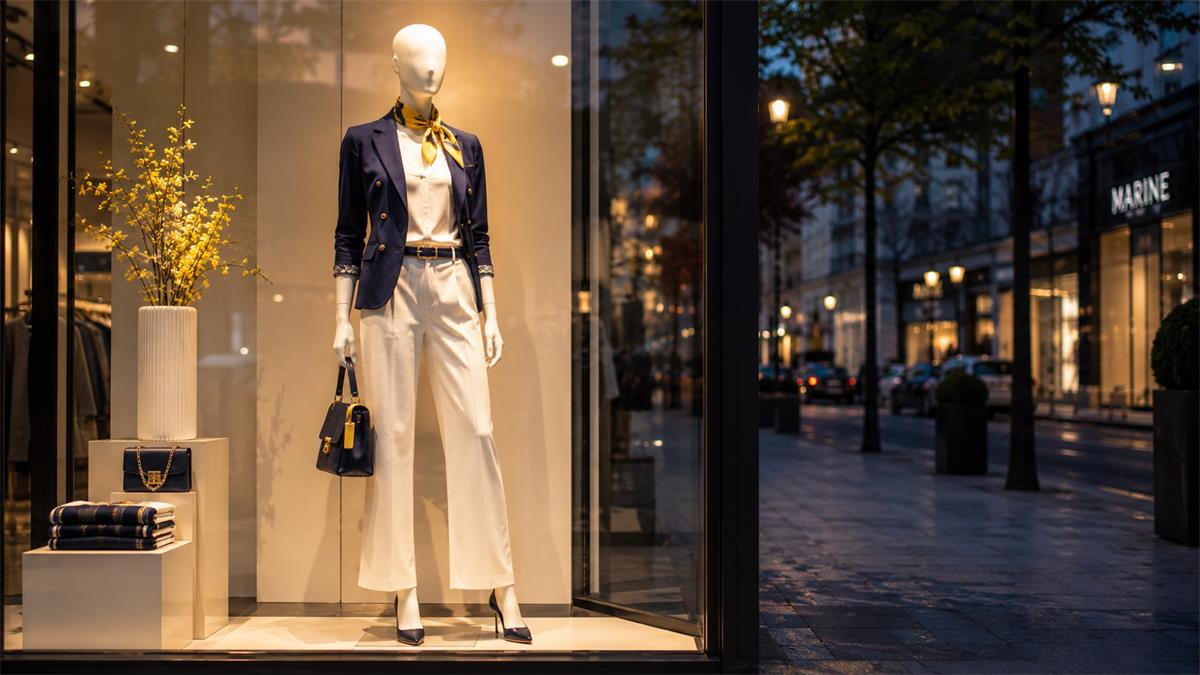
A store owner in Austin told me she used to swap her window to back-to-school the last week of August. By then her regulars had already bought the first round of uniforms and sneakers elsewhere. The window was pretty. It was also two weeks late.
Back to school is not a single Saturday in late August. The National Retail Federation put 2025 US back-to-school and college spending at roughly $128 billion, with K-12 families alone planning about $39.4 billion and averaging $858.07 each. Two-thirds of shoppers had already started buying by early July. If your window goes up in late August, you are decorating for a crowd that already shopped.
A back to school window display is a themed storefront scene built around the clothes, shoes, and accessories families buy for the school year, staged on mannequins and props to stop foot traffic and pull people inside. It is not a poster of a backpack. It is a small, lit story that says "this is the place to get ready for the year" before the customer finishes walking past.
What makes a back to school window display actually work?
A window works when a passerby can read the whole story in three seconds and wants to step inside.
Start with one focal point. Pick a single hero outfit on a single hero mannequin and build the scene around it. A window that shows eight things at once shows nothing. The eye needs a landing spot, then permission to wander.
Keep the palette tight. Three colors maximum, drawn from the season: navy and white with a hit of yellow, or forest green and cream with a red apple accent. Busy, multicolor windows read as noise from the sidewalk and get skipped.
Use real garments, not flat graphics. The NRF survey found that 41 percent of back-to-school shoppers name clothing stores as a destination, which means the people walking past your window are already in a buying mood for apparel. Show them the actual outfit they could own, on a form that holds the fabric the way a body would.
The table below maps the most common back-to-school window roles to the mannequin that fills them. Read it as a casting call, not a catalog.
| Window role | Best mannequin type | Why it works |
|---|---|---|
| Hero outfit, front and center | Female or male fashion form, matte finish | Realistic drape sells the garment faster than a faceless torso |
| Kids and tween looks | Kids mannequin, relaxed pose | Parents compare directly to their own child's size |
| Accessory and bag focus | Dress form or torso topper | Holds a jacket or backpack without a full body |
| Small-window or shelf ledge | Bust form or egg head | Fits tight spaces, still shows the neckline |
How do you theme a back to school window without copying the stationery aisle?
Lead with apparel, not supplies. Pencils, rulers, and stackable notebooks are what big-box stores push. Your edge as a boutique or specialty retailer is the outfit, the shoes, and the bag that make a student feel put together on day one.
Build a small scene instead of a collage. A folded locker-shelf rug, one open textbook prop, and a mannequin in the first-day look reads as a moment. A wall of glued-on alphabet letters reads as a classroom. Shoppers photograph moments. They walk past classrooms.
Give the scene a point of view. "First day of high school, calm and confident" is a theme. "Back to school sale" is a sign. The theme tells the passerby who the window is for and what feeling they will get.
One practical note from competitors worth stealing: displaysmarket frames its whole window program around a theme calendar with changes every two weeks and a holiday note for each slot. You do not need that discipline to start, but a simple calendar stops your window from going stale in the middle of the season.
Which mannequins should you use for a back to school window?
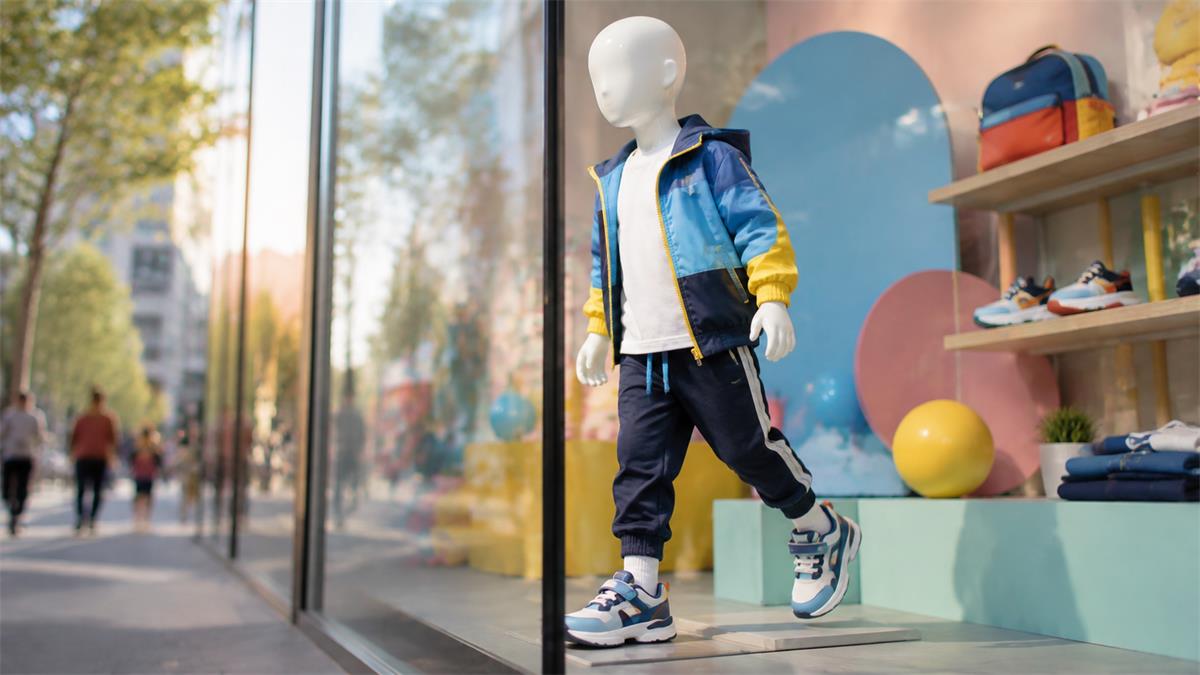
Choose forms that match the bodies you actually sell to, not the forms your supplier photographs best.
The selection matrix below covers the four forms most back-to-school windows need. Match the pose and skin tone to your neighborhood, not to a catalog default. A store in a diverse city should show more than one skin tone in the window, because the window is the first thing a shopper uses to decide "do they carry people like me."
| Form | Pose | Best for | Staging tip |
|---|---|---|---|
| Female fashion form | Standing, slight weight shift | Dresses, skirts, first-day outfits | One hand near a pocket reads relaxed, not posed |
| Male fashion form | Standing, squared shoulders | Polos, chinos, hoodies | Square stance reads confident for tween and teen boys |
| Kids mannequin | Active, mid-step | Uniforms, sneakers, backpacks | Angle toward the glass so the motion faces foot traffic |
| Dress form | Static torso | Jackets, cardigans, bags | Place on a riser beside a full form to add height |
Skin tone matters more than most buying guides admit. Stock at least two tones per gender you carry, and rotate them through the window across the season so no single group owns the front of the store.
Browse our female mannequins, male mannequins, and kids mannequins to see poses built for retail windows.
How do you light and stage a back to school window for evening foot traffic?
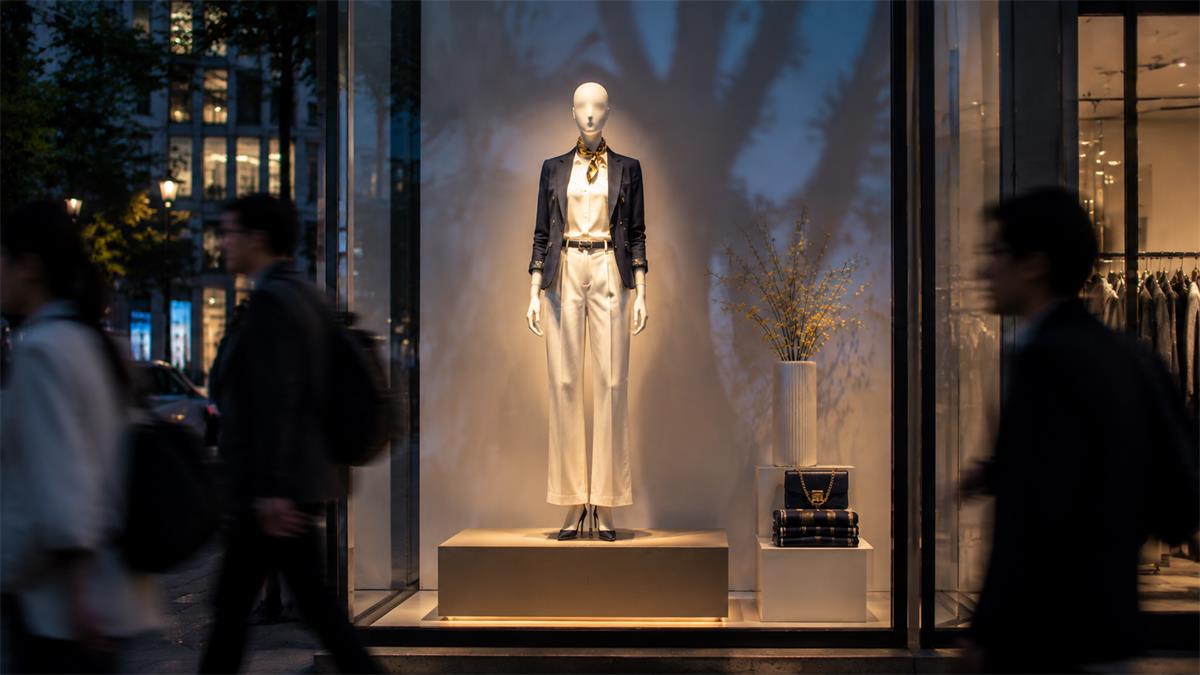
Light for the commute home, not the noon sun. Most back-to-school shopping happens after work, so the window that looks great at 1 p.m. can go flat at 6 p.m. if it leans only on daylight.
Use a warm key light on the hero form and a cooler wash on the backdrop. The warm light pulls the eye to the garment; the cool backdrop keeps the scene from looking like a spotlight in a void. Aim the key light at the chest and face of the form, not the floor.
Add one riser. Raising the hero form six to ten inches lifts the focal point above the average sightline of someone walking past, which matters on busy sidewalks where strollers and umbrellas cut sightlines.
Keep the glass clean and the floor uncluttered. A single dropped tag or scuff mark reads as neglect from two feet away. Evening light makes every smudge visible.
What are the best back to school window ideas by store type?
The same season, four different windows.
Apparel boutique: one hero first-day outfit, a second mannequin in the "week two" casual look, and a small ledge of folded sweaters. Restock the ledge mid-season so the window changes without a full rebuild.
Shoe store: a kids form mid-step wearing the hero sneaker, with a second pair floating on a clear riser beside it. Motion pose sells shoes better than a still stand.
Collegiate or dorm shop: a dress form in a hoodie and a stacked prop of books and a laundry bag. The dorm story is about independence, so show the stuff of leaving home, not just the product.
Kids and tween store: a low kids form at child eye level near the glass, so the actual customer (the kid) sees themselves. Parents decide the budget, but the child decides the want.
How early should you install a back to school window?
Earlier than feels natural. With 67 percent of back-to-school shoppers buying by early July, the window that installs in mid July is on time, not early.
A simple timeline that matches how families actually shop:
Early July: install the hero window. Capture the early birds and the "just browsing" families.
Late July: refresh one element (new pose, new ledge product) to signal "still fresh" to repeat foot traffic.
Mid August: add a "last call for first day" prop for the 84 percent who still have half their list left.
Post Labor Day: flip to fall and after-school activities.
The goal is not one perfect window. It is a window that keeps changing at the speed families shop.
How do you measure whether the window display worked?
Count the things that count. Footfall past the window, entries after the install, and sell-through on the featured SKUs against the same week the prior season.
Industry tracking on visual merchandising points to a clear pattern: well-built window displays can lift store foot traffic by roughly 23 percent, and apparel on mannequins can lift sales by as much as 66 percent versus flat folding. Seasonal themed windows also extend time spent in store by about 14 percent. Those are ranges from retail studies, not guarantees, but they show the size of the lever you are pulling.
Use a lightweight scorecard. Give the window a score out of ten on setup, lighting, story clarity, and stock availability, then photograph it. Compare the photo and the score to next season's install and you will improve faster than any competitor guessing from memory.
| Metric | How to track | Good signal |
|---|---|---|
| Foot traffic | Manual clicker or door counter, same hours | Up versus pre-install week |
| Entry rate | Entries divided by passersby | Higher after install |
| Sell-through | Featured SKU units vs shipped | 15 to 25 percent above non-featured |
| Photo shares | Tags and pinned images | At least a few per week |
What are simple, low-budget back to school window ideas?
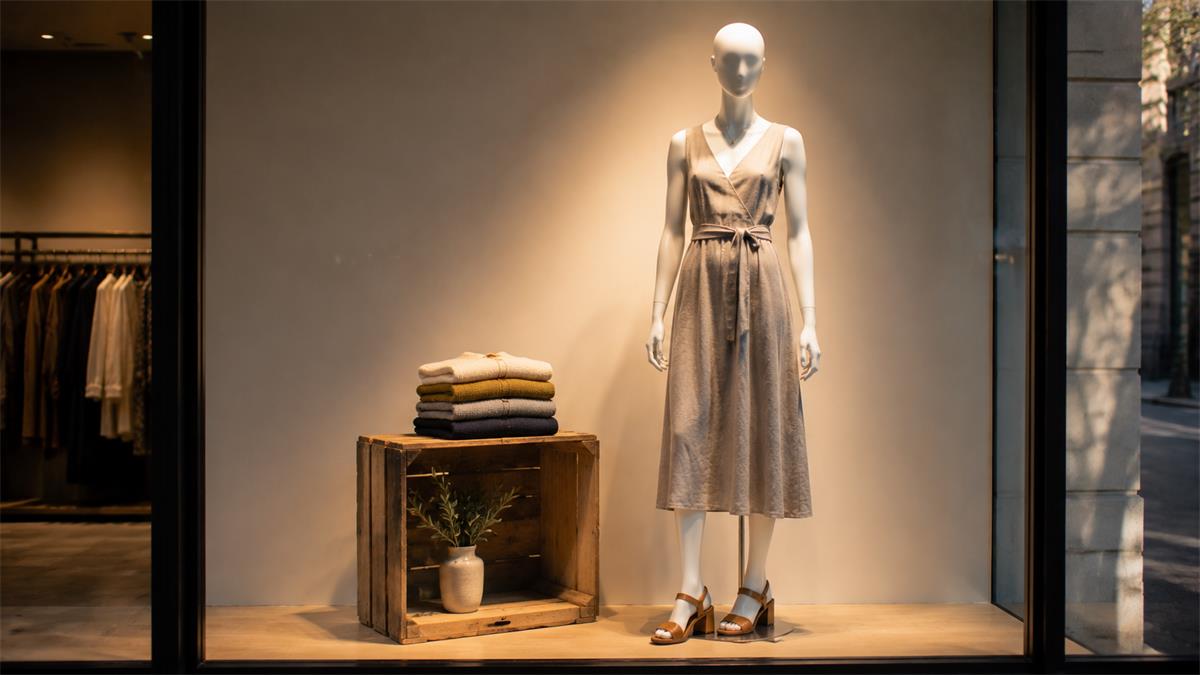
You do not need a production budget to look intentional.
Paint one crate. A single wooden crate in school colors, turned on its side as a ledge, costs almost nothing and frames a folded stack of sweaters.
Use what you sell. Instead of buying props, dress a second form in last season's bestseller and mark it "still a favorite." Honesty reads as confidence.
Let the mannequin do the work. A strong pose on a clean backdrop with one good light beats three low-cost props. Most small windows fail from clutter, not from a small spend.
Change one thing weekly. A new scarf, a rotated pose, a swapped bag. Repeat visitors read the change as "this store is alive," and that alone lifts second-visit entries.
Can back to school displays be more eco-friendly?
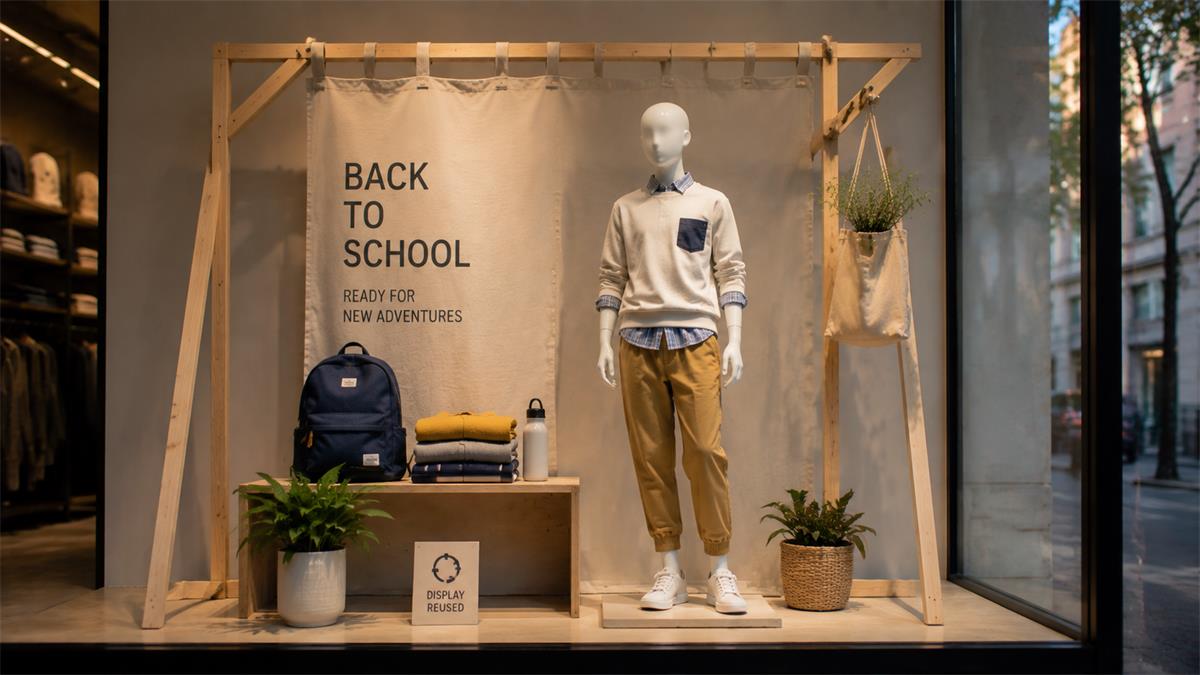
They can, and it is worth doing without making it the headline.
Shoppers notice. About 73 percent of Gen Z consumers say they prefer brands with a demonstrated sustainability commitment, and Gen Z is exactly the tween, teen, and college shopper your back-to-school window is built for. You do not need to preach. You need to show it.
Choose props that last more than one season. Modular crates, reusable fabric backdrops, and wooden frames beat printed cardboard that hits the dumpster in September. A neutral base you re-skin with ribbon or paper stars each season costs less over time and looks more considered.
Keep the story quiet. A small "display reused from spring" tag or a visible wooden frame does more than a green banner. The point is to let the materials prove the values, not announce them.
Browse our dress forms for staging pieces that work across back-to-school, fall, and holiday windows without being rebuilt each time.
Frequently Asked Questions
When should I put up back to school window displays?
Install in early July, not late August. The NRF survey found 67 percent of back-to-school shoppers had already started buying by early July, so a window that goes up mid summer catches the early crowd and the browsers. Refresh one element in late July and add a "last call for first day" prop in mid August for the families still finishing their lists.
What mannequins work best for a back to school window?
Use a female or male fashion form for the hero outfit, a kids mannequin in a mid-step pose for uniforms and sneakers, and a dress form or bust for jackets and bags. Match skin tones to your neighborhood and rotate them through the season. The form should hold the garment the way a real body would, because apparel on a proper form sells faster than flat folding.
How do I style a back to school window display on a small budget?
Lead with one strong pose on a clean backdrop and a single good light instead of several low-cost props. Turn a wooden crate on its side as a ledge, dress a second form in a proven bestseller, and change one element each week so repeat visitors see the window as alive. Most small windows fail from clutter, not from a low spend.
How can a window display increase back to school sales?
A clear, lit window stops foot traffic and pulls people inside, which is where sales happen. Retail studies link well-built window displays to meaningful lifts in foot traffic and to apparel on mannequins outselling flat folding by a wide margin. Track entries and featured-SKU sell-through against the prior week to prove the lift for your own store.
Do I need a theme, or can I just show the clothes?
A theme beats a collage. "First day of high school, calm and confident" tells the passerby who the window is for and what feeling they get, while a wall of clothes reads as a sale bin. Build one small scene with a hero outfit, one prop, and a tight three-color palette, then let the mannequin carry the story.
---