Tel: +86-0769-33218711
E-Mail: info@ysydisplay.com
Add: A1#807, Tianan cyber building, Huangjin Road, Nancheng, Dongguan, China 523000.


Introduction
When a brand operates one store, visual merchandising decisions are fairly straightforward. You adjust the window display, move a mannequin, experiment with lighting, and immediately see what works.
But once a brand grows to ten stores… or fifty… things change.
What works beautifully in one flagship location might not translate well in another city. Different store sizes, lighting conditions, customer traffic patterns — they all start to influence how displays are experienced.
This is where visual merchandising planning becomes essential.
It’s not about controlling every detail across stores. In reality, that rarely works. Instead, the goal is to create a visual system that keeps the brand recognizable everywhere, while still allowing each store to adapt to its environment.
Many retail teams discover that the balance between consistency and flexibility is where the real challenge lies.
Design Perspective
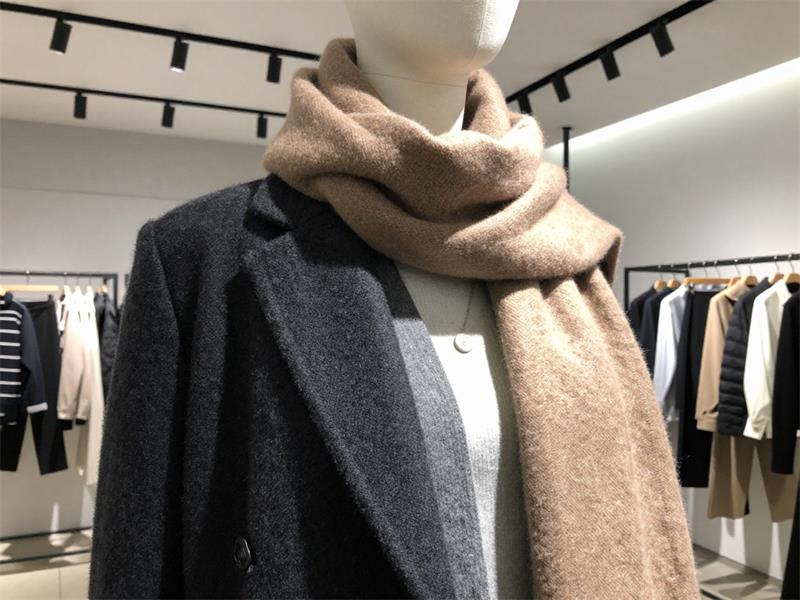
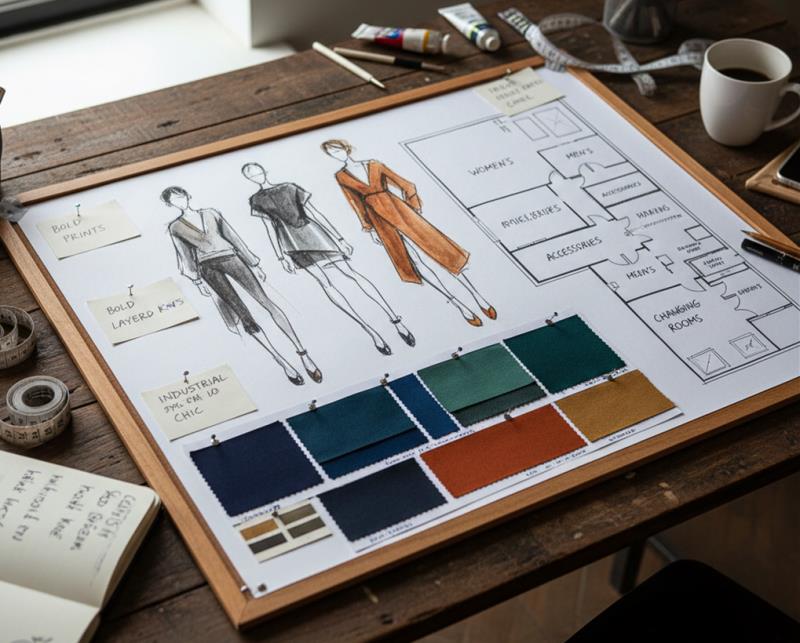
From a design perspective, visual merchandising planning usually starts with defining a visual language for the brand.
This might include:
the type of mannequins used
typical display spacing
lighting tone
color direction
fixture materials
Once these elements are defined, stores can build displays that feel connected to the brand.
But perfect consistency is rarely the goal.
In practice, some variation actually makes stores feel more authentic. This often depends on the brand. A luxury label may keep its displays tightly controlled, while a contemporary fashion brand might allow more visual freedom.
Store layout makes a difference here.
A flagship with high ceilings and large windows can support dramatic displays. A compact shopping mall location might need something more restrained.
The design language stays the same.
The expression changes slightly from store to store.
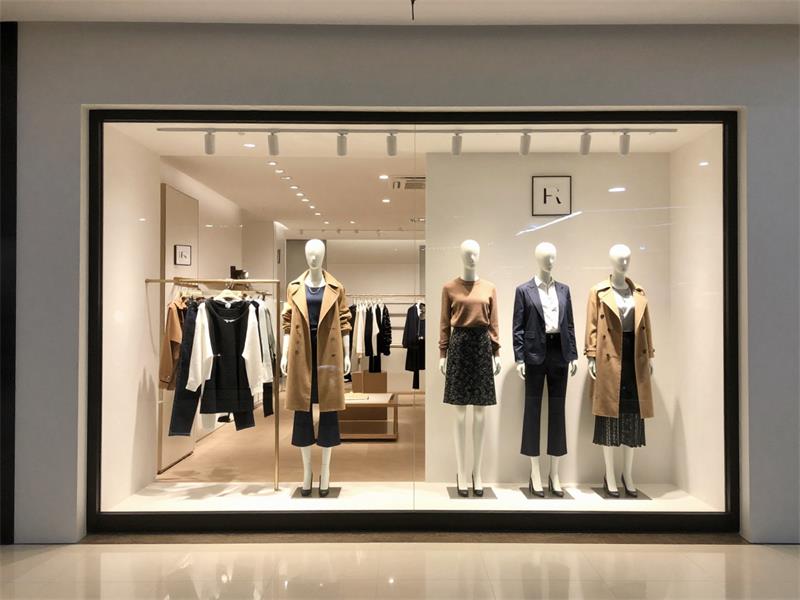
Display Strategy
In retail display planning, mannequins usually act as visual anchors inside the store.
They help customers quickly understand the styling direction of a collection.
Imagine a brand launching a new autumn line across dozens of stores.
The visual merchandising team might prepare a seasonal guide that includes:
a window display concept
two mannequin styling stories
suggested entrance displays
Every store starts from the same idea.
But when teams install the displays, adjustments naturally happen.
In one location, mannequins may sit right near the entrance, catching attention from the corridor outside.
In another store, they might be placed slightly deeper inside, where lighting is stronger.
Lighting changes the effect more than most people expect.
Even a small spotlight adjustment can shift the entire mood of a display.
Store Environment
Every store has its own environment, and multi-store retail visual merchandising needs to respect that reality.
Some locations have natural daylight pouring through large windows.
Others rely entirely on artificial lighting.
And then there are stores inside older buildings where ceiling height, column placement, or narrow walkways affect what can realistically be displayed.
Display height matters more than expected in these situations.
In busy urban stores, raising mannequins slightly can make them visible above crowds. In quieter boutique environments, keeping displays lower sometimes creates a more relaxed atmosphere.
Customer movement also plays a role.
People rarely walk through a store the way designers imagine on paper. They follow natural paths, pause in unexpected places, or skip certain areas entirely.
This is easy to overlook during planning.
But once you start observing real customer behavior, the logic behind certain display positions becomes much clearer.
Material Considerations
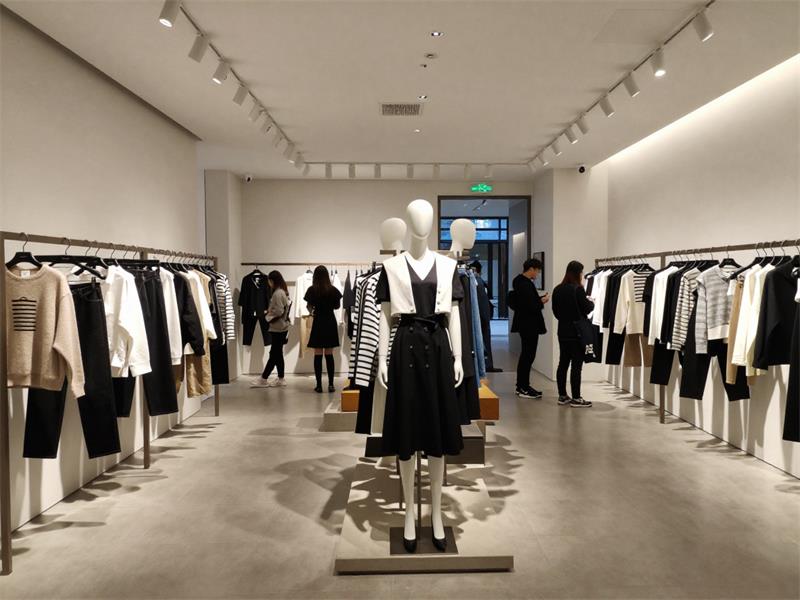
Materials used in store displays often go unnoticed by customers, yet they influence the overall atmosphere of a retail space.
Mannequins, for example, are chosen not just for their shape, but for how they support the visual tone of the brand.
Minimal abstract mannequins tend to work well in contemporary environments. More realistic forms can highlight garment fit and silhouette.
Some brands also consider durability when selecting materials. Fiberglass mannequins, for instance, are sometimes used because they maintain their surface finish well in high-traffic stores.
But material choice is rarely the main story.
In most cases, it’s simply one piece of the broader visual merchandising strategy.
What matters more is whether the display elements feel cohesive inside the store.
Sustainability
Sustainability has become an increasingly important part of visual merchandising planning, particularly for brands operating across many locations.
Temporary displays used to change completely every season.
Today, many retail teams are rethinking that approach.
Instead of replacing everything, they design modular systems that can evolve over time.
A display platform might stay in place for years, while the styling, props, and lighting change with each collection.
The same idea applies to mannequins. Long-lasting display elements reduce waste and simplify store updates.
This shift doesn’t just support environmental goals. It also makes visual merchandising operations more efficient.
And in large retail networks, efficiency matters.
Practical Tips
Retail teams responsible for multiple stores often learn a few lessons the hard way.
A few simple principles tend to make visual merchandising planning much easier.
Start with a clear display guide.
Even a short document outlining mannequin placement, styling direction, and lighting tone can help stores stay visually aligned.
Focus on high-impact zones.
Window displays, store entrances, and central tables usually shape the first impression.
Allow controlled flexibility.
Regional teams often understand their customers best. Small local adjustments can improve relevance without breaking brand consistency.
Test lighting in real conditions.
Lighting looks very different in a design plan compared to an actual store.
Keep mannequin styling consistent.
Even if store layouts vary, recognizable styling helps customers immediately connect the display with the brand.
Conclusion
For brands with multiple locations, visual merchandising planning is less about strict rules and more about creating a shared design framework.
The strongest retail environments usually combine two things:
A clear visual identity.
And enough flexibility for each store to respond to its space and customers.
When this balance works, the experience feels consistent but never repetitive.
Customers recognize the brand instantly — whether they walk into a flagship store in a major city or a smaller boutique in a different market.
That quiet consistency is often what makes retail environments memorable.
FAQ
What is visual merchandising planning in retail?
Visual merchandising planning is the process of creating display guidelines that help multiple stores present products consistently while adapting to different store environments.
Why is visual merchandising planning important for multi-store brands?
For retail chains, visual merchandising planning ensures customers experience a consistent brand identity across locations while allowing stores to respond to local conditions.
How do brands keep displays consistent across many stores?
Most brands create visual merchandising guides that define styling, mannequin use, lighting direction, and display placement for stores to follow.
How often should visual merchandising planning be updated?
Many brands review their visual merchandising strategy seasonally, aligning displays with new collections, campaigns, and store design updates.
CONTACT US
ART WING Display Mannequin, a China manufacturer of high-end-mid mannequins.
We dedicated to innovative design and focus on producing high-quality display production.
QUICK LINKS
PRODUCTS
ABOUT ART WING
SERVICE

Tel: +86-0769-33218711
E-Mail: info@ysydisplay.com
Add: A1#807, Tianan cyber building, Huangjin Road, Nancheng, Dongguan, China 523000.
Copyright © 2026 DongGuan Art Wing Display Co., Ltd | All Rights Reserved
Hello, please leave your name and email here before chat online so that we won't miss your message and contact you smoothly.