Tel: +86-0769-33218711
E-Mail: info@ysydisplay.com
Add: A1#807, Tianan cyber building, Huangjin Road, Nancheng, Dongguan, China 523000.


How Mannequins Shape Modern Retail Displays
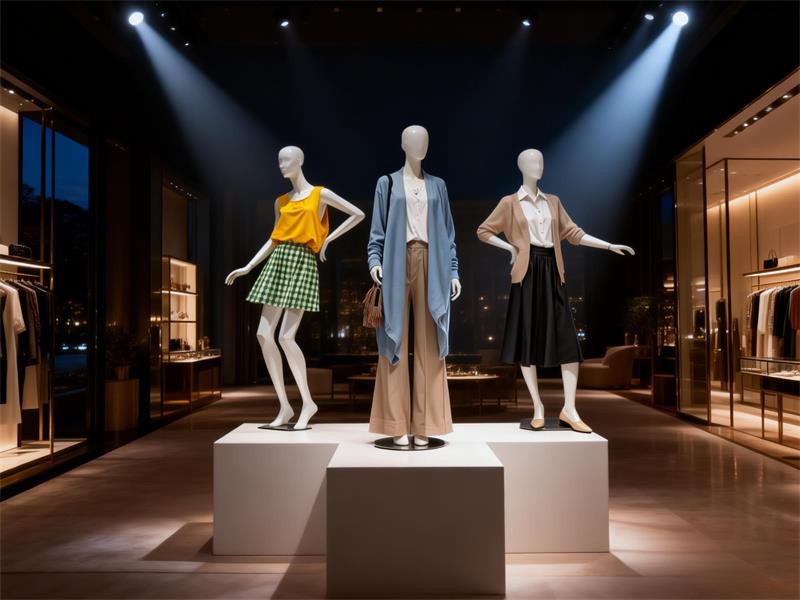
Walk into any flagship store on Fifth Avenue or a minimalist boutique in Shoreditch, and you’ll immediately feel the presence of the silent brand ambassadors. They don't just hold clothes; they define the silhouette of the entire shopping experience. How mannequins shape the perception of a collection is often the difference between a passerby and a customer. In the current retail climate, where digital and physical spaces must harmonize, the physical form has become more critical than ever for storytelling.
The Design Perspective: Translating Brand Identity
When we look at how mannequins shape a brand’s visual language, we aren't just looking at plastic or resin. We are looking at a three-dimensional manifestation of a brand’s ideal customer. A high-fashion house might opt for hyper-realistic features to evoke a sense of uncanny elegance, while a contemporary streetwear label might choose headless, matte-black forms to keep the focus strictly on the drape of a hoodie.
This often depends on the brand. Some retailers prefer the classic proportions of the mid-century, while others are pushing for radical inclusivity, reflecting a broader range of body types. This choice dictates the "vibe" of the floor before a single price tag is read.
Display Strategy: The Art of the Grouping
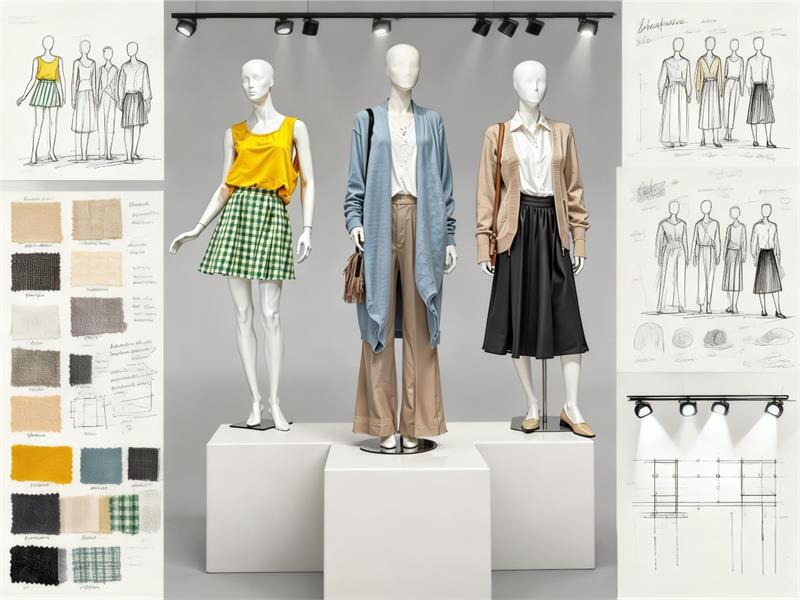
Strategic placement is where the magic happens. A lone figure can look lonely, but a cluster of three creates a narrative. Mannequins shape the flow of foot traffic by acting as visual anchors or "speed bumps" that encourage shoppers to slow down and observe.
Consider the "Power of Three." By grouping figures at varying heights and angles, you create a sense of movement. Lighting changes the effect entirely; a spotlight from above can create dramatic shadows that emphasize the texture of the fabric, whereas soft, diffused light makes the display feel more accessible and "everyday."
Integrating the Store Environment
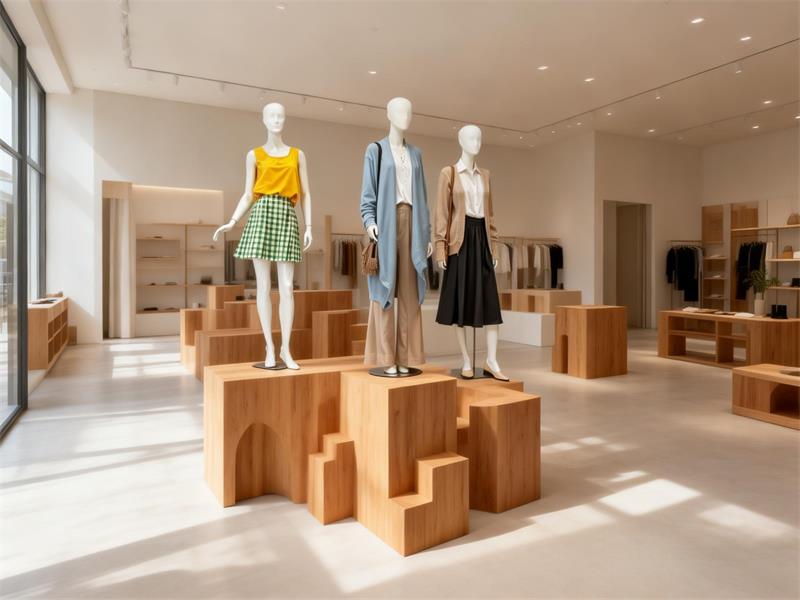
The environment is the stage, and the mannequin is the lead actor. In modern retail design, we no longer see these forms as separate entities from the architecture. They are integrated into the shelving, perched on pedestals, or even suspended from ceilings.
Store layout makes a difference. In a cramped space, minimalist forms with narrow stances work best to maintain "breathability." In sprawling flagship stores, dynamic, athletic poses can fill the volume and guide the eye toward specific zones like activewear or evening gowns. It is a delicate balance of scale and proportion.
Material Considerations: Beyond the Surface
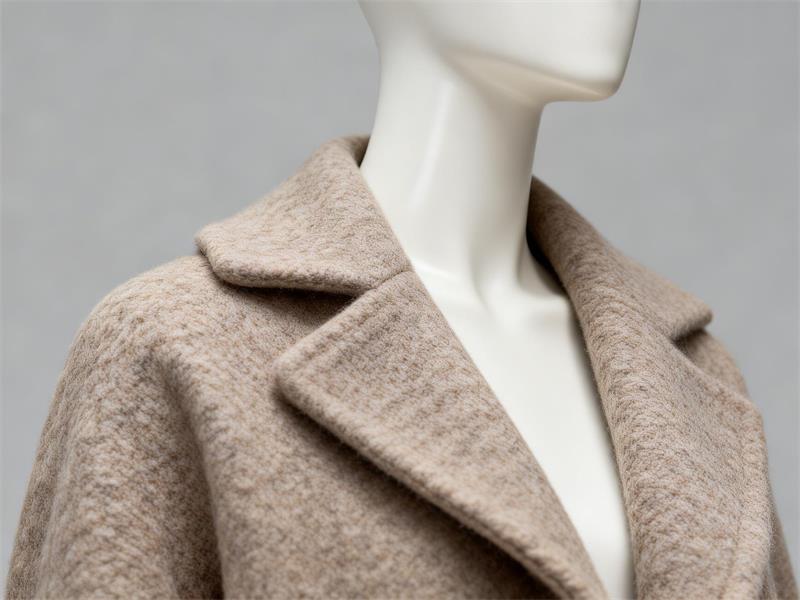
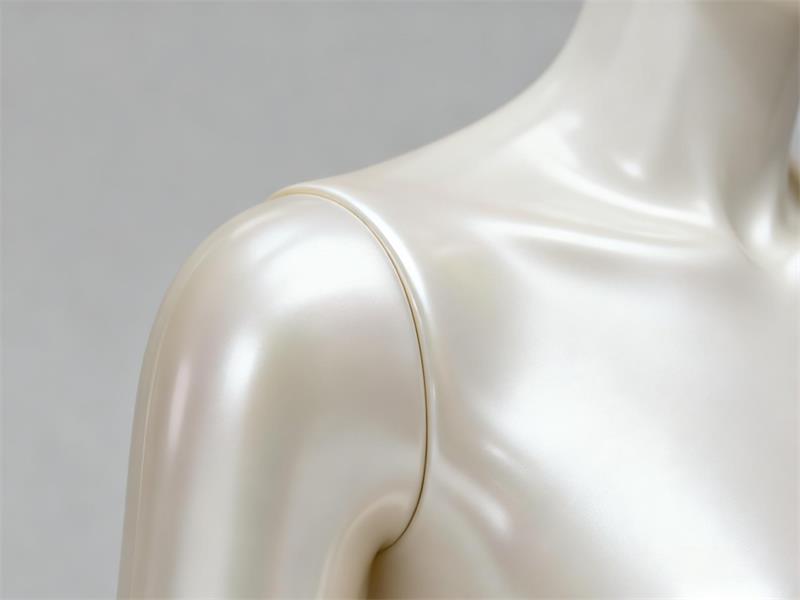
When selecting forms, the material is a foundational decision for any design team. Many high-end brands opt for fiberglass (FRP) due to its incredible longevity and the crispness of detail it allows. From a design standpoint, the durability of fiberglass ensures that the elegant lines of a pose remain sharp even in high-traffic areas where accidental bumps are inevitable.
Beyond durability, the finish—whether it’s a soft-touch velvet, a high-gloss metallic, or a raw, textured stone effect—allows the mannequins shape to harmonize with the store's interior palette.
Prioritizing Sustainability in Retail Displays
Modern visual merchandising is moving away from the "disposable" mindset. Sustainability in Retail Displays is now a core pillar of store planning. Instead of replacing entire fleets every season, brands are looking at:
Modular designs: Interchangeable heads or limbs to refresh the look.
Timeless Silhouettes: Choosing classic forms that don't go out of style as trends shift.
Repairability: Choosing high-quality materials like fiberglass that can be sanded and repainted rather than discarded when scuffed.
This shift isn't just ethical; it’s a sophisticated design choice that values the patina and history of the brand's physical assets.
Practical Tips for the Visual Merchandiser
The Height Rule: Always place your "hero" look slightly above eye level. Display height matters more than expected when it comes to capturing the attention of someone walking at a brisk pace.
Steam on the Form: For the best drape, steam the garments once they are already on the mannequin. This allows the fabric to settle naturally against the "body."
Eye Contact: Even with abstract or headless forms, the "direction" of the face (or neck) should point toward the store entrance or a high-traffic junction.
Maintenance: This is easy to overlook, but a quick weekly wipe-down to remove dust and fingerprints preserves the premium feel of the display.
Conclusion
Ultimately, how mannequins shape the modern retail landscape is about more than just aesthetics; it's about emotional resonance. By treating these forms as integral components of the store's architecture rather than mere hangers, retailers can create a space that feels curated, intentional, and deeply connected to the customer’s identity.
FAQ: Mannequin Lifecycle Planning
Q1: How often should a retail brand refresh their mannequin fleet? Most premium brands plan for a major refresh every 3 to 5 years. However, by choosing high-quality materials and classic poses, you can extend this by simply refinishing or repainting the forms to match new seasonal color palettes.
Q2: What should we look for to ensure long-term durability in store displays? Look for structural integrity in the joints and the base attachments. Fiberglass options are often preferred for their high impact resistance and the ability to be professionally refurbished, which supports long-term lifecycle planning.
Q3: How does mannequin style impact the ROI of a window display? A well-chosen form acts as a silent salesperson. If the mannequins shape resonates with your target demographic's body type and lifestyle, the "dwell time" at the window increases, directly correlating to higher store entries.
Q4: Can old mannequins be integrated into new sustainable store designs? Absolutely. Many designers are now embracing a "vintage" or "upcycled" aesthetic. Repainting old forms in a uniform, contemporary finish (like matte terracotta or raw concrete) can give them a second life while supporting Sustainability in Retail Displays.
CONTACT US
ART WING Display Mannequin, a China manufacturer of high-end-mid mannequins.
We dedicated to innovative design and focus on producing high-quality display production.
QUICK LINKS
PRODUCTS
ABOUT ART WING
SERVICE

Tel: +86-0769-33218711
E-Mail: info@ysydisplay.com
Add: A1#807, Tianan cyber building, Huangjin Road, Nancheng, Dongguan, China 523000.
Copyright © 2026 DongGuan Art Wing Display Co., Ltd | All Rights Reserved
Hello, please leave your name and email here before chat online so that we won't miss your message and contact you smoothly.