Tel: +86-0769-33218711
E-Mail: info@ysydisplay.com
Add: A1#807, Tianan cyber building, Huangjin Road, Nancheng, Dongguan, China 523000.


Retail Mannequins vs Photography Props in Fashion Displays
Introduction
Fashion today moves fluidly between two worlds.
On one side, there is the digital space — product photography, online catalogs, and e-commerce platforms. On the other, there is the physical retail store, where customers walk through spaces, observe displays, and interact with products directly.
Because these worlds overlap, a common misunderstanding sometimes appears in visual merchandising conversations: the idea that photography props and retail mannequins can be used interchangeably.
At first glance, they may seem similar. Both hold garments. Both help present fashion items.
But in reality, they serve entirely different purposes.
Retail mannequins are designed for store environments where customers experience clothing in three dimensions. Photography props, including tools used in ghost mannequin photography, are designed for cameras and editing workflows.
Recognizing the difference helps brands avoid visual inconsistencies and build stronger in-store experiences.
Design Perspective
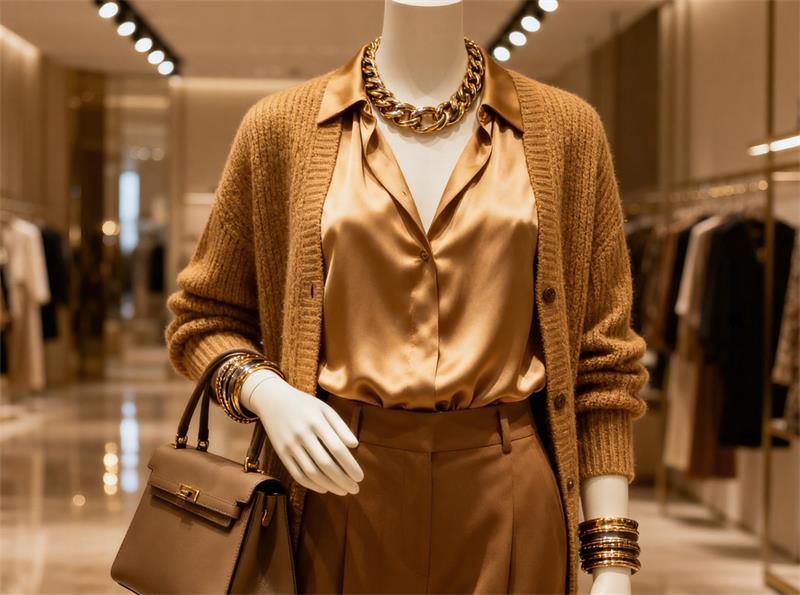
From a retail design perspective, mannequins are part of the architectural language of a store.
They help shape how customers perceive the collection and guide attention toward key products. A carefully placed mannequin near the entrance can communicate the tone of an entire season.
This often depends on the brand.
Minimalist fashion labels may prefer abstract mannequins that highlight silhouette. Lifestyle brands sometimes use more expressive poses that suggest movement or personality.
But in every case, the mannequin must function as a visual anchor within the store.
Photography props operate under completely different design priorities. In studios, props are optimized for camera angles and lighting control. Many pieces used in ghost mannequin photography are intentionally simplified or segmented to make image editing easier.
That structure works perfectly for a photograph.
In a store environment, however, the same structure can feel incomplete when viewed from multiple directions.
Display Strategy
In visual merchandising, mannequins are storytelling tools.
They help customers see how individual pieces come together to form a complete look. A jacket, shirt, trousers, and accessories suddenly make sense when presented on a mannequin.
Imagine a small fashion boutique launching a new seasonal collection.
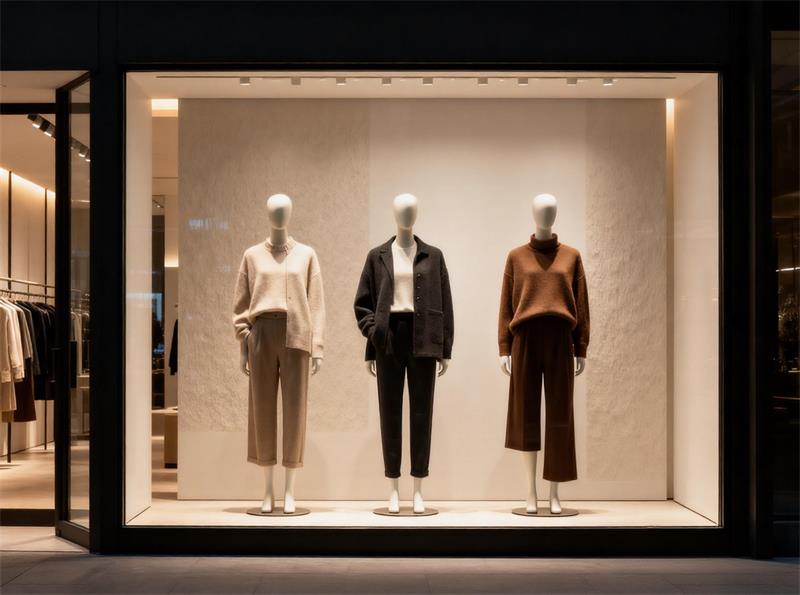
Near the entrance, three store display mannequins present the key looks of the season. One focuses on casual layering, another highlights evening styling, and the third features accessories that complement the collection.
Customers entering the store immediately understand the theme.
Now imagine replacing those mannequins with photography props.
The presentation would likely feel less natural. Some structures may appear incomplete from certain angles, and the visual impact would weaken.
Lighting changes the effect as well. Studio props designed for controlled photography lighting may behave very differently under retail lighting conditions.
This is one reason visual merchandising mannequins remain central to store display strategy.
Store Environment
Retail spaces are dynamic.
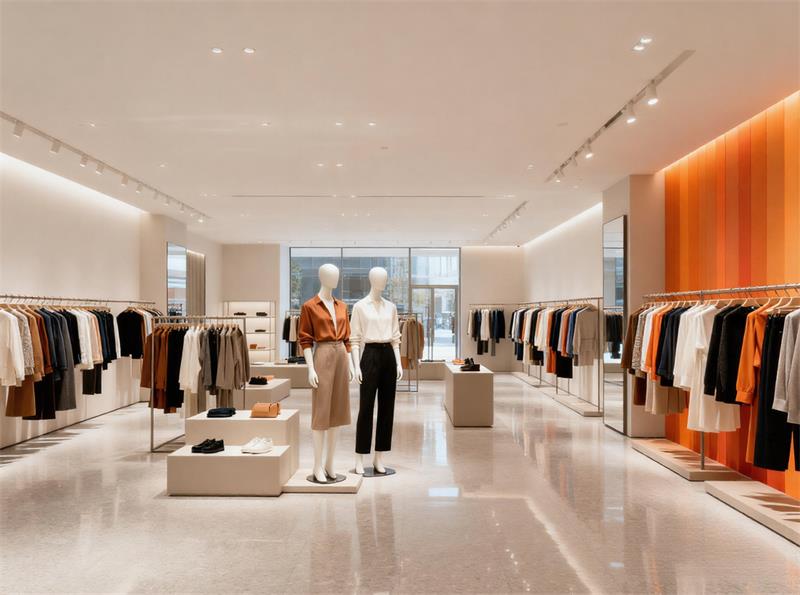
Customers move through displays, approach garments from different directions, and often pause unexpectedly in front of mannequins. Displays must work from every angle.
Store layout makes a difference.
In large flagship stores, mannequins might appear on raised platforms, acting as visual landmarks that guide shoppers through the space. In smaller boutiques, mannequins are often placed closer to racks to demonstrate styling ideas.
Display height matters more than expected.
Slightly elevated mannequins can maintain visibility even during busy shopping hours. This is easy to overlook when planning store layouts, but it can significantly influence how displays perform.
Photography props rarely account for these environmental factors. They are usually designed for a single perspective — the camera lens.
Retail environments demand far more flexibility.
Material Considerations
Materials also influence how mannequins perform in store environments.
Retail displays involve frequent styling changes, repositioning, and handling by visual teams. Surfaces must maintain their appearance over time.
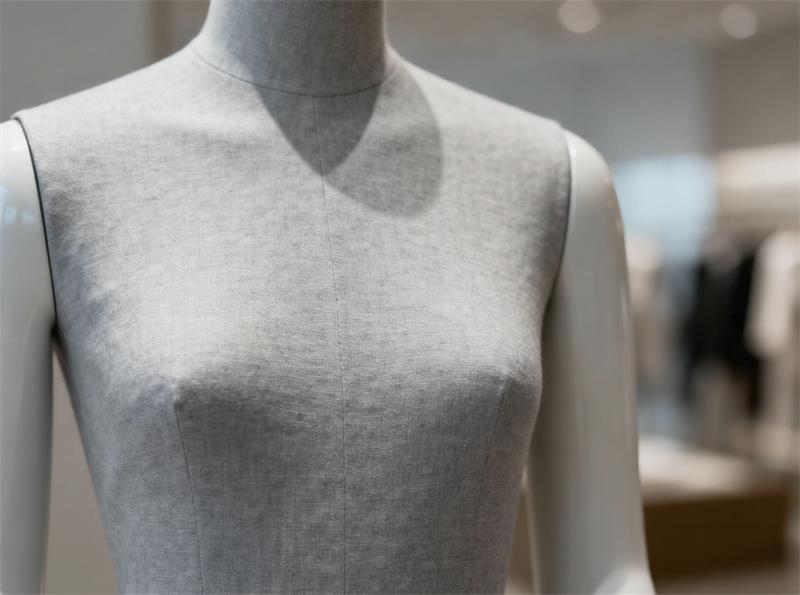
Some brands choose fiberglass mannequins because the material provides durability and smooth finishes that hold up well under retail lighting.
But materials alone do not define a good display.
The overall design must support the visual rhythm of the store. Mannequins should integrate naturally with fixtures, lighting, and surrounding merchandise.
Photography props, in contrast, are often optimized for lightweight handling in studios rather than long-term store use.
Sustainability
Sustainability is becoming an increasingly important consideration in visual merchandising.
Retail displays evolve seasonally, yet many brands aim to reduce unnecessary waste by extending the life of key display elements.
Well-designed retail display mannequins can remain part of a store’s visual system for many years. They are restyled, repositioned, and occasionally refinished as collections change.
Photography props rarely follow this lifecycle in retail environments because they are designed for different operational contexts.
From a sustainability perspective, choosing display elements intended for long-term store use helps reduce material waste and simplifies retail operations.
Practical Tips
Retail teams evaluating mannequins for store displays can keep a few practical principles in mind.
Understand the purpose of each tool.
Photography props belong in studios. Retail mannequins belong in stores.
Observe displays from multiple angles.
Customers rarely view displays from a single position.
Test lighting conditions.
Lighting changes the effect of mannequin surfaces and silhouettes dramatically.
Think about long-term flexibility.
Displays that adapt across multiple seasons tend to support stronger visual consistency.
These details might seem small, but together they shape how customers experience a retail space.

Conclusion
Fashion presentation happens across many platforms today, from e-commerce photography to immersive retail environments.
Yet each platform requires tools designed for its specific context.
Retail mannequins exist to help customers visualize clothing in real-world environments. They support storytelling, guide attention, and bring collections to life within the store.
Photography props serve a different purpose — enabling clean, professional product images for digital channels.
Understanding this distinction allows brands to build more coherent visual merchandising strategies, where each tool supports the experience it was designed for.
In retail design, clarity often leads to stronger results.
FAQ
What are retail mannequins used for?
Retail mannequins are used in stores to present clothing collections, demonstrate styling ideas, and create visual focal points within retail displays.
Are photography props suitable for retail displays?
Photography props are designed primarily for studio environments and camera angles. Retail displays typically require mannequins designed for customer viewing from multiple perspectives.
What is the difference between ghost mannequin photography and retail mannequins?
Ghost mannequin photography uses specialized props to create invisible mannequin effects in product images, while retail mannequins are designed for physical store displays.
How do retail mannequins support visual merchandising?
Retail mannequins help communicate styling ideas, highlight key products, and create visual structure within store environments.
CONTACT US
ART WING Display Mannequin, a China manufacturer of high-end-mid mannequins.
We dedicated to innovative design and focus on producing high-quality display production.
QUICK LINKS
PRODUCTS
ABOUT ART WING
SERVICE

Tel: +86-0769-33218711
E-Mail: info@ysydisplay.com
Add: A1#807, Tianan cyber building, Huangjin Road, Nancheng, Dongguan, China 523000.
Copyright © 2026 DongGuan Art Wing Display Co., Ltd | All Rights Reserved
Hello, please leave your name and email here before chat online so that we won't miss your message and contact you smoothly.