Tel: +86-0769-33218711
E-Mail: info@ysydisplay.com
Add: A1#807, Tianan cyber building, Huangjin Road, Nancheng, Dongguan, China 523000.


Mannequin Lifecycle Planning for Global Retail Brands
Introduction
In many retail stores, mannequins are introduced during a new collection launch and then quietly become part of the background. Season after season, they are restyled, repositioned, sometimes repainted — and occasionally forgotten in storage rooms when visual themes change.
For global retail brands, however, mannequins are not simply display props. They are part of a much larger visual system.
That is why Mannequin Lifecycle Planning has become an important topic in retail design and visual merchandising. Instead of treating mannequins as short-term display pieces, brands increasingly think of them as long-term visual assets that evolve with the store.
When planned well, a thoughtful retail mannequin lifecycle can support brand consistency across multiple markets, reduce unnecessary replacement, and simplify visual merchandising operations.
It’s a strategic mindset — one that connects design, sustainability, and retail experience.
Design Perspective
From a design perspective, Mannequin Lifecycle Planning begins long before mannequins arrive in stores.
Visual merchandising teams usually ask a few important questions early in the planning process:
Will these mannequins still look relevant in three years?
Can they adapt to different styling directions?
Will they work in both flagship stores and smaller locations?
This often depends on the brand.
Minimal and abstract mannequin designs tend to age better than highly stylized or trend-specific forms. Neutral poses also allow garments to take center stage, which helps mannequins remain visually useful across multiple seasons.
Design flexibility matters.
A mannequin that supports multiple styling concepts — casual, formal, seasonal collections — can remain in the visual system far longer than one designed for a single campaign.
This is easy to overlook during creative development, but long-term adaptability is often the quiet strength of successful mannequin lifecycle management.
Display Strategy
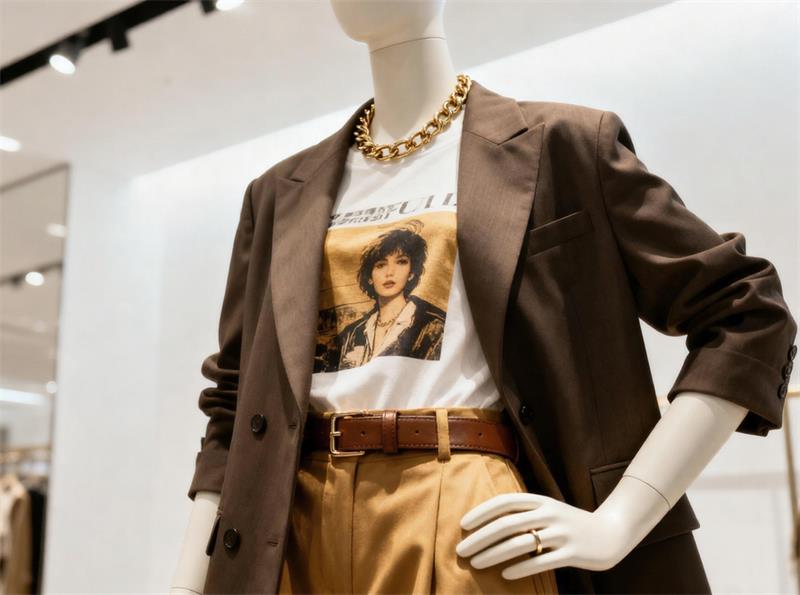
Within global retail display planning, mannequins usually function as the focal points of product storytelling.
They show customers how garments move, layer, and fit together.
Consider a typical retail scenario.
A global fashion brand launches a new seasonal collection across dozens of stores. The visual merchandising guide includes styling suggestions for window displays and store entrances.
The mannequins themselves remain the same ones used the previous season.
What changes is the styling.
New outfits
Different poses through subtle repositioning
Adjusted lighting
Seasonal accessories
Lighting changes the effect more than people expect.
A mannequin styled under cooler lighting may feel modern and urban. Under warmer lighting, the same display can appear more relaxed and lifestyle-oriented.
Through these small adjustments, the same mannequins continue supporting new visual narratives.
This is a practical example of visual merchandising lifecycle thinking.
Store Environment
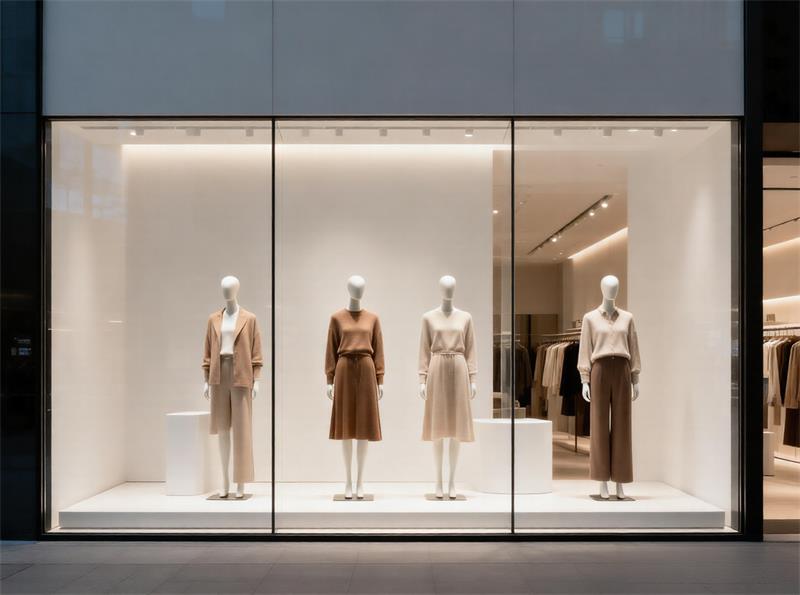
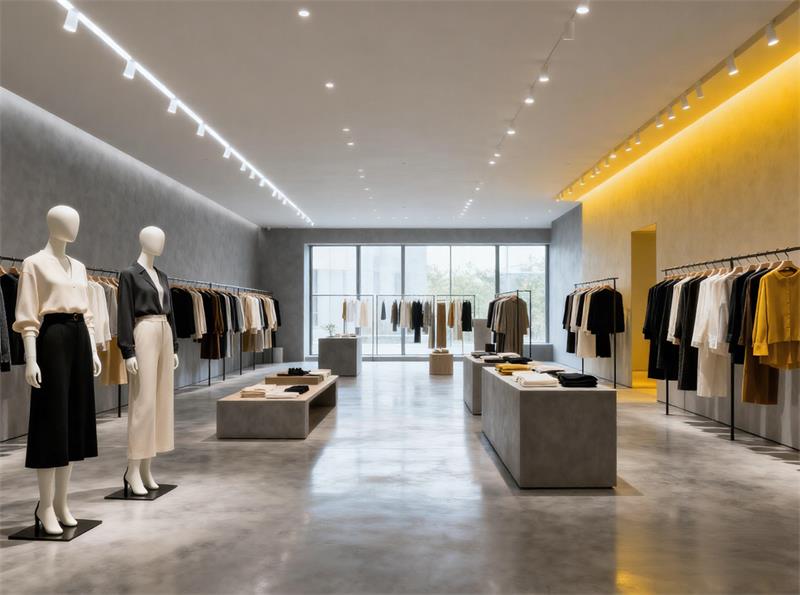
Global retail brands operate across a wide range of store environments.
A flagship store in a major city may have tall ceilings, expansive windows, and dramatic lighting. Smaller boutique locations might work with tighter floor plans and softer lighting conditions.
Store layout makes a difference.
In a busy shopping district, mannequins placed near the entrance often need to capture attention quickly. In quieter retail environments, displays can feel more relaxed and exploratory.
Display height matters more than expected as well.
Elevated platforms can improve visibility in crowded environments, while lower displays sometimes create a more intimate atmosphere in boutique settings.
Because store environments vary so widely, retail display asset management becomes an important part of planning. Mannequins often move between stores over time, supporting new layouts or store updates.
This flexible deployment extends their usefulness and keeps displays fresh.
Material Considerations
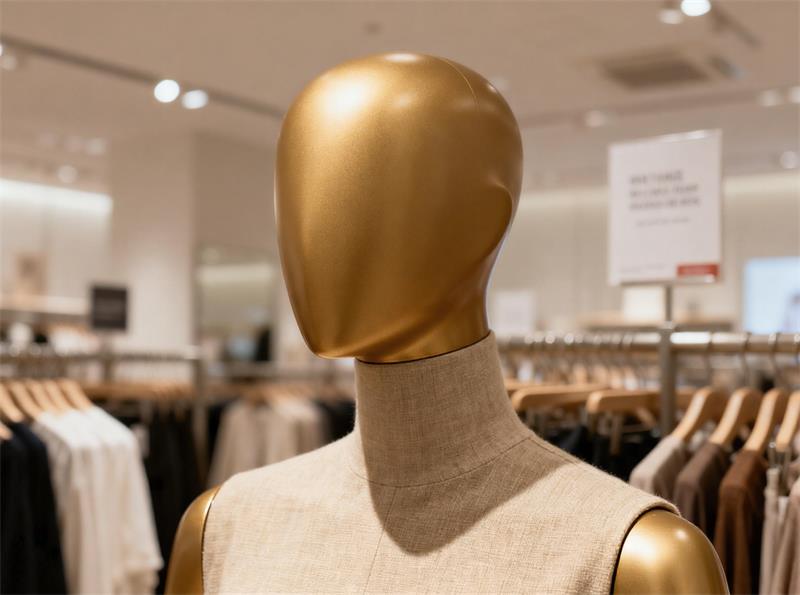
Material choice also plays a role in mannequin lifecycle management, although it is rarely the most visible aspect of planning.
Mannequins in high-traffic retail spaces must withstand frequent styling changes and occasional repositioning.
Durable materials often perform better over time.
Some visual teams choose fiberglass mannequins because their surfaces can maintain finishes well and allow refinishing when displays evolve. Longevity in this context supports lifecycle planning by allowing mannequins to remain visually relevant for many years.
But material alone does not define lifecycle success.
What matters more is whether the mannequin design continues to support the brand’s visual direction.
Sustainability
The sustainability benefits of Mannequin Lifecycle Planning become clearer over time.
Retail displays are often replaced frequently when visual concepts change. Without lifecycle planning, this can create unnecessary waste.
Instead, many global brands treat mannequins as long-term display assets.
They may be:
refinished
repainted
restyled
relocated between stores
These adjustments extend the useful life of display elements and support broader goals around sustainability in retail displays.
In large retail networks, even small improvements in lifecycle management can significantly reduce material waste and operational complexity.
And from a design perspective, continuity often strengthens brand identity.
Practical Tips
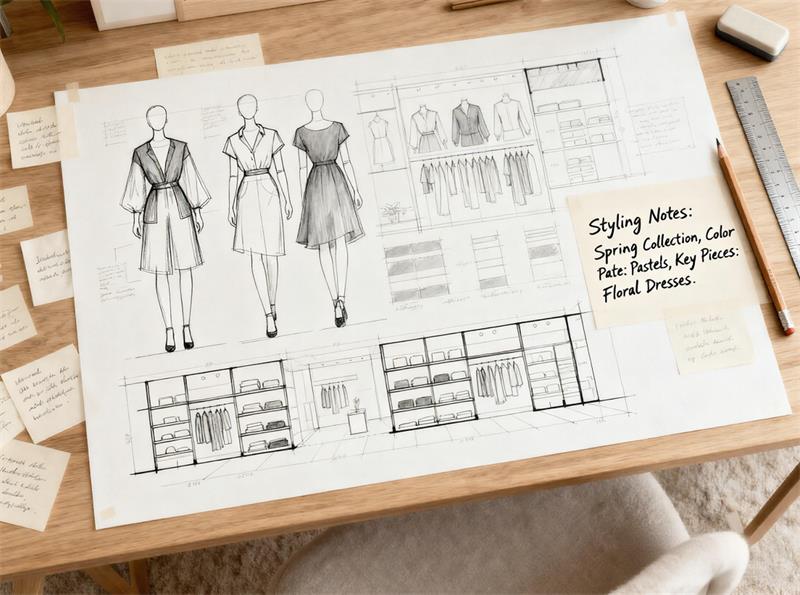
For retail teams developing Mannequin Lifecycle Planning, a few practical habits tend to make a big difference.
Choose adaptable mannequin designs.
Neutral poses and minimal styling tend to remain relevant across multiple collections.
Document mannequin deployment.
Keeping track of where mannequins are used helps stores redistribute display assets when layouts change.
Plan for refurbishment.
Refinishing surfaces or updating finishes can extend the life of display elements.
Observe store traffic patterns.
Sometimes a display lasts longer simply because it sits in the right place.
Keep styling flexible.
Mannequins should support multiple fashion stories rather than one fixed visual concept.
Conclusion
For global retail brands, Mannequin Lifecycle Planning is not just about managing display equipment.
It is about creating a visual system that evolves alongside the brand.
When mannequins are treated as long-term assets rather than temporary props, they support consistency across stores, reduce waste, and simplify visual merchandising updates.
The best retail environments rarely feel static. Displays change, collections evolve, lighting shifts.
Yet behind those changes, a carefully planned visual structure quietly holds everything together.
And often, mannequins are at the center of that system.
FAQ
What is Mannequin Lifecycle Planning in retail?
Mannequin Lifecycle Planning refers to managing mannequins as long-term display assets, including deployment, refurbishment, redistribution, and eventual replacement.
Why is Mannequin Lifecycle Planning important for global retail brands?
For brands operating across many stores, lifecycle planning helps maintain consistent visual merchandising while reducing unnecessary replacement and operational costs.
How can retailers extend the lifecycle of mannequins?
Retailers often extend mannequin lifespan through refinishing, restyling, redistribution between stores, and adapting mannequins to new visual merchandising concepts.
How does mannequin lifecycle planning support sustainability?
Effective lifecycle planning reduces waste by allowing mannequins to remain in use for longer periods, supporting broader goals around sustainability in retail displays.
CONTACT US
ART WING Display Mannequin, a China manufacturer of high-end-mid mannequins.
We dedicated to innovative design and focus on producing high-quality display production.
QUICK LINKS
PRODUCTS
ABOUT ART WING
SERVICE

Tel: +86-0769-33218711
E-Mail: info@ysydisplay.com
Add: A1#807, Tianan cyber building, Huangjin Road, Nancheng, Dongguan, China 523000.
Copyright © 2026 DongGuan Art Wing Display Co., Ltd | All Rights Reserved
Hello, please leave your name and email here before chat online so that we won't miss your message and contact you smoothly.