Tel: +86-0769-33218711
E-Mail: info@ysydisplay.com
Add: A1#807, Tianan cyber building, Huangjin Road, Nancheng, Dongguan, China 523000.


Long-Term Retail Display Planning: Moving From Campaigns to Systems
Introduction
In many retail organizations, display decisions revolve around campaigns.
A new collection launches. A holiday promotion arrives. Window displays change, mannequins are restyled, graphics appear and disappear within weeks.
Campaign-driven displays are exciting. They create momentum and help stores stay visually fresh.
But over time, many retail teams notice something: constantly rebuilding displays can become inefficient. The store looks different every few weeks, yet the underlying visual strategy may feel fragmented.
This is where Retail Display Planning begins to shift from campaign thinking toward system thinking.
Instead of designing displays as isolated seasonal projects, brands increasingly build long-term retail display systems — structures that support multiple campaigns while maintaining a consistent store identity.
When this shift happens, visual merchandising becomes more strategic. The store no longer resets each season. It evolves.
Design Perspective
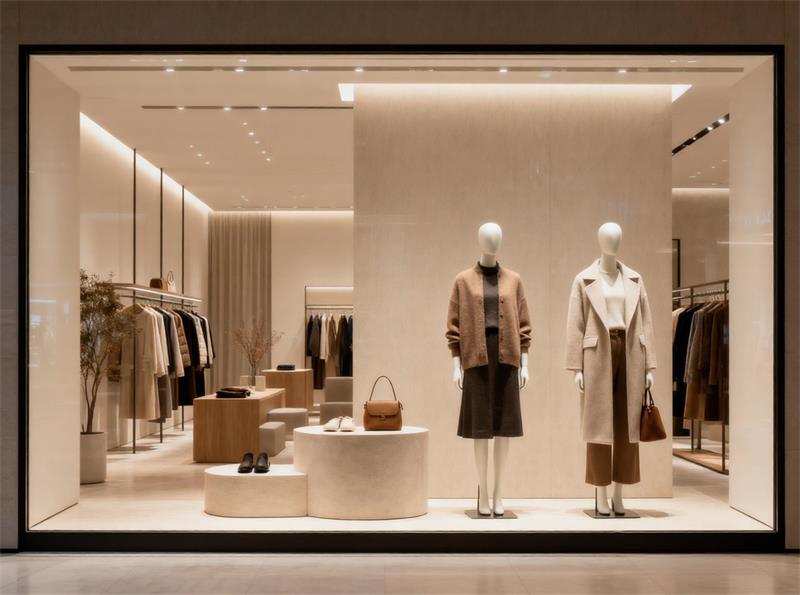
From a design perspective, Retail Display Planning starts with defining a framework rather than a single display concept.
The framework usually includes:
display zones
mannequin positions
lighting direction
fixture rhythm
Once these elements are defined, seasonal campaigns can plug into the system without disrupting the overall store design.
This often depends on the brand.
Luxury labels tend to rely heavily on structured visual systems because consistency across global stores is essential to their identity. Contemporary brands sometimes allow more flexibility, but even they benefit from a stable display structure.
Design consideration plays a major role here.
For example, a modular display platform near the store entrance can support different campaigns throughout the year. One season it highlights outerwear. The next season it becomes a footwear feature.
The display system remains.
The story changes.
That quiet continuity is often the backbone of successful long-term retail display planning.
Display Strategy
A practical store display strategy often combines permanent structures with adaptable styling.
Consider a simple store scenario.
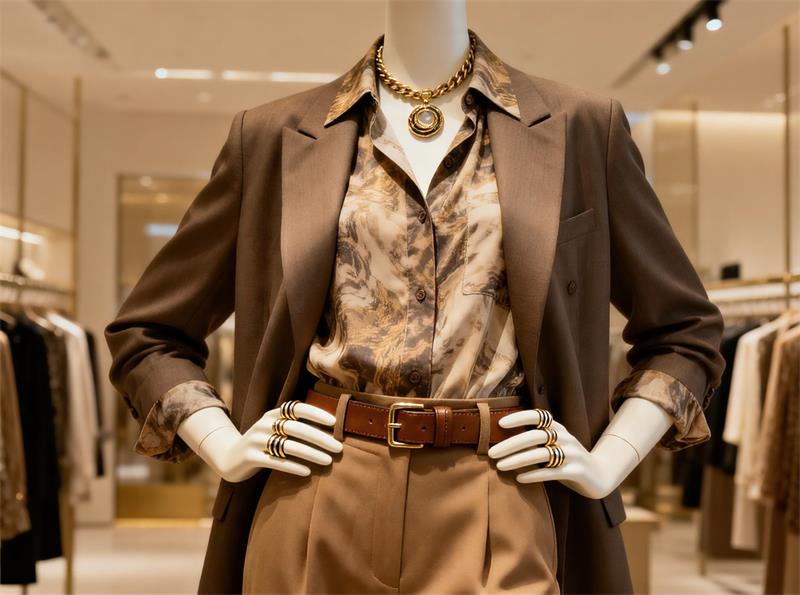
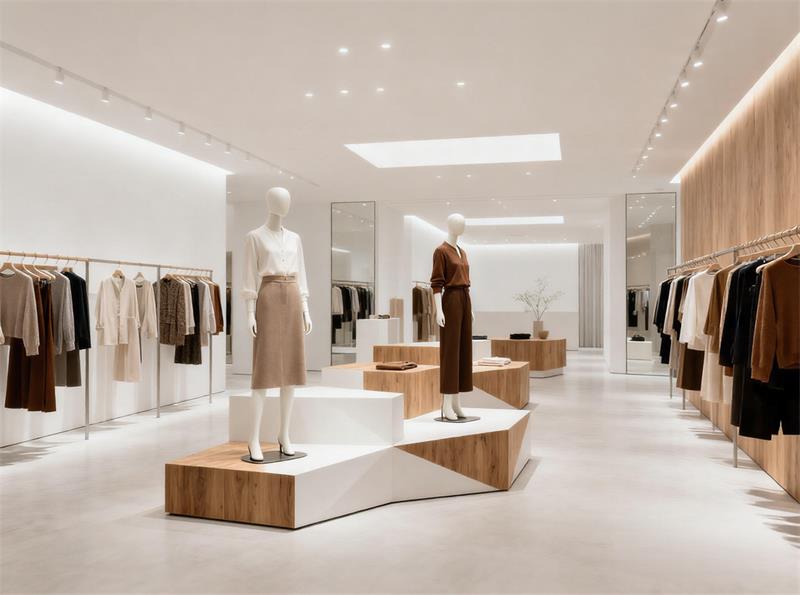
A fashion retailer launches four major campaigns each year. Instead of building completely new displays each time, the visual merchandising team designs a central mannequin stage that stays in place throughout the year.
Each campaign updates:
styling
accessories
props
lighting emphasis
Customers experience a new story each season, but the spatial layout of the store remains familiar.
Lighting changes the effect more than most people expect.
Even subtle adjustments — warmer lighting for autumn collections or cooler tones for summer styles — can transform the mood of the display.
This approach allows campaigns to feel fresh while maintaining the stability of retail display systems.
Store Environment
The physical environment of a store plays a major role in Retail Display Planning.
Some locations have wide storefront windows designed for dramatic storytelling. Others rely on smaller entrances where displays need to communicate quickly.
Store layout makes a difference.
In compact stores, large display structures may block customer flow. In spacious flagships, those same structures can create powerful visual moments.
Display height matters more than expected as well.
Elevated displays often perform well in high-traffic environments because they remain visible above crowds. In quieter boutique spaces, lower displays sometimes feel more approachable and intimate.
These environmental details influence how display systems are designed and deployed across different locations.
Material Considerations
Material choices in display design quietly influence how long systems remain useful.
Displays that are easily refinished or adapted often support long-term planning better than those built for short-term visual impact.
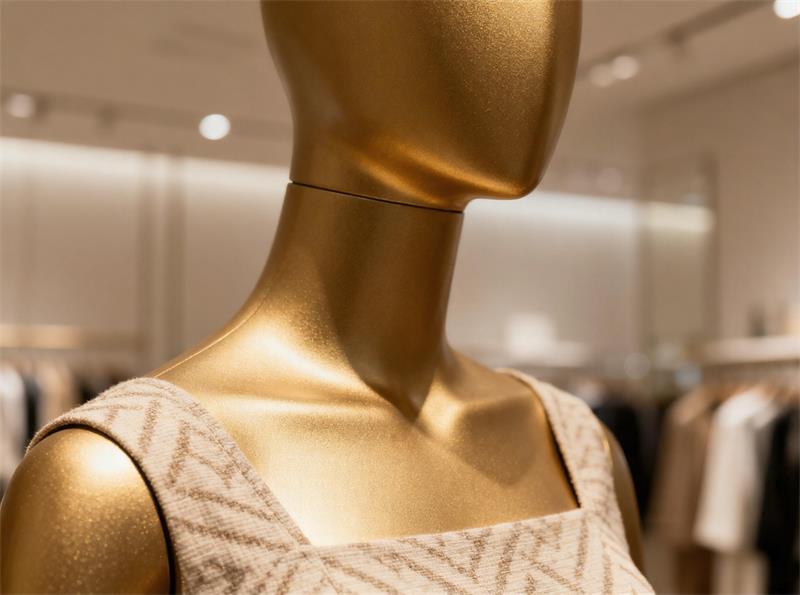
Mannequins, for example, play a central role in many visual merchandising systems.
Because they are styled repeatedly across seasons, durability becomes important. Some retail teams choose fiberglass mannequins because their surfaces maintain finishes well and can be refreshed when visual concepts evolve.
Still, materials are rarely the main story.
The real focus in Retail Display Planning is whether display elements can adapt to multiple campaigns over time.
Sustainability
Sustainability is becoming a natural outcome of long-term retail display planning.
Campaign-based displays sometimes lead to frequent replacement of visual elements. When display systems are designed to last several years, waste is significantly reduced.
Many brands now approach visual merchandising with lifecycle thinking.
A display platform might remain in place for years, while styling, lighting, and graphics evolve seasonally.
This approach supports sustainable visual merchandising in two ways:
First, it reduces material waste.
Second, it creates visual consistency across stores — something customers often notice subconsciously.
A well-designed system tends to feel calmer and more intentional than constantly changing displays.
Practical Tips
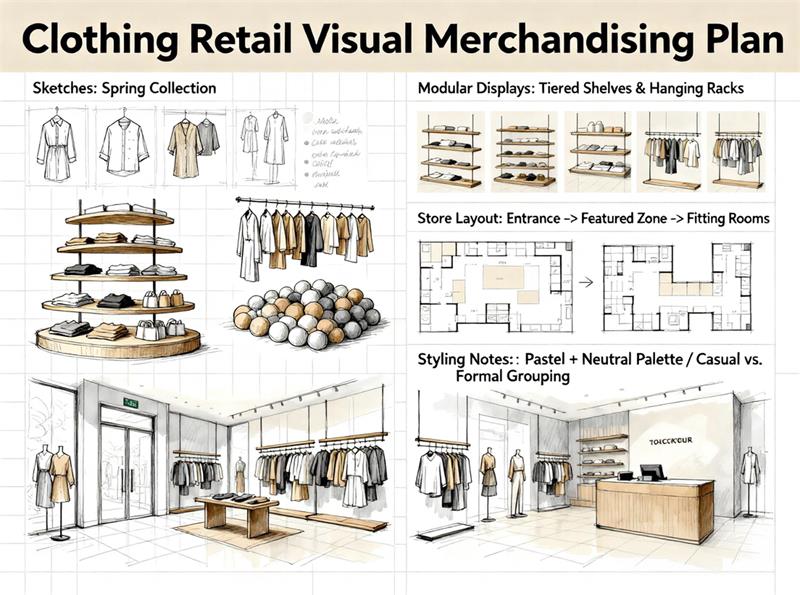
Retail teams transitioning toward Retail Display Planning systems often start with small changes.
A few practical observations help.
Define permanent display zones.
Entrance displays, windows, and central mannequins usually anchor the store experience.
Design displays that evolve.
Platforms, mannequins, and lighting should support multiple campaigns.
Observe customer movement.
Customers rarely follow the exact paths designers expect.
Test lighting scenarios.
Lighting changes the visual impact dramatically.
Document display systems.
Clear visual guidelines help store teams maintain consistency across locations.
This is easy to overlook, but good documentation often makes the difference between a system that works and one that slowly drifts apart.
Conclusion
Retail environments are constantly changing. New collections arrive, campaigns evolve, and customer expectations shift.
Yet the most successful stores rarely rebuild their visual identity every season.
Instead, they rely on thoughtful Retail Display Planning — systems that support both stability and creativity.
Campaigns still matter. They bring energy and storytelling to the store.
But when those campaigns operate within a long-term display system, the result is something more powerful: a retail environment that feels both dynamic and consistent.
For customers walking through the space, that balance often creates a stronger and more memorable experience.
FAQ
What is Retail Display Planning?
Retail Display Planning is the process of designing store displays strategically, ensuring visual elements work together as a long-term system rather than isolated campaign setups.
Why is long-term retail display planning important?
Long-term planning helps brands maintain consistent store environments while allowing seasonal campaigns to update displays efficiently.
How do retail display systems support visual merchandising?
Retail display systems provide a structured framework that allows visual merchandising teams to adapt styling, lighting, and product presentation without redesigning entire displays.
How can retailers transition from campaign displays to display systems?
Retailers often start by defining permanent display zones, creating adaptable display platforms, and developing clear visual merchandising guidelines for stores.
\
CONTACT US
ART WING Display Mannequin, a China manufacturer of high-end-mid mannequins.
We dedicated to innovative design and focus on producing high-quality display production.
QUICK LINKS
PRODUCTS
ABOUT ART WING
SERVICE

Tel: +86-0769-33218711
E-Mail: info@ysydisplay.com
Add: A1#807, Tianan cyber building, Huangjin Road, Nancheng, Dongguan, China 523000.
Copyright © 2026 DongGuan Art Wing Display Co., Ltd | All Rights Reserved
Hello, please leave your name and email here before chat online so that we won't miss your message and contact you smoothly.