Tel: +86-0769-33218711
E-Mail: info@ysydisplay.com
Add: A1#807, Tianan cyber building, Huangjin Road, Nancheng, Dongguan, China 523000.


Choosing Mannequins for Retail Displays: Expert Tips by an Industry Professional
Introduction
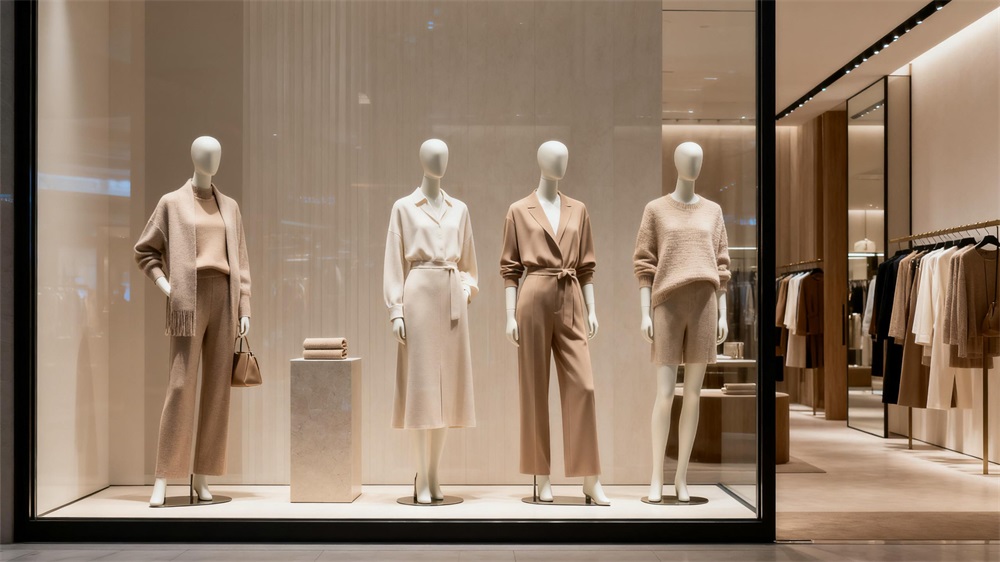
The use of mannequins in retail, particularly the world of fashion, stems from their use as background elements. The fact, however, is that mannequins are some of the most effective elements of visual merchandising. The right use of mannequins can boost a brand, make products more desirable, and help to walk people through the store without the need to say a word. The wrong ones, however, could silently do the opposite, even if the clothes are perfect.
Being a mannequin manufacturer with close collaboration with retail buyers, there’s one thing immediately apparent: mannequin selection isn’t merely an aesthetic choice.
Mannequins influence both the appearance of clothes' fit and the perceived value as well as the interval for which the merchandising needs to be refreshed. There’s much more to mannequin selection than merely picking between mannequin styles.
This will help to break down in a very practical way how to select mannequins to be used in retail outlets, not just in appearance, but in functionality and long-term returns as well.
Branding with Brand Positioning, Not with Mannequin Design
One of the most common errors made by a retailer is when they use mannequins solely with the look in mind that appears best in a showroom or a catalog. Experienced buyers approach the problem from a different starting point altogether – brand positioning.
The mannequin should not rival, but rather complement, the brand identity.
Luxury brands typically will be the benefactors of real or semi-realistic models. Clean lines are essential to convey quality. Usually, the finish will not need to be painted.
Modern and fast fashion retailers tend to favor either abstract or "faceless" mannequins. These types of mannequins direct the focus to the clothes and enable a quick change in fashion trends.
Sportswear brands tend to be more successful with mannequins posing in a manner that conveys the idea of motion – slight bending, walking positions, or dynamic posing.
“Concept stores and lifestyle brands might want to have fashion mannequins that promote storytelling despite the absence of realism.”
In terms of manufacturing, the most successful projects are always the ones where there is a correlation early on in the design of the mannequin and the target brand and customer—not after the fact.
Match the Mannequin to the Store Environment
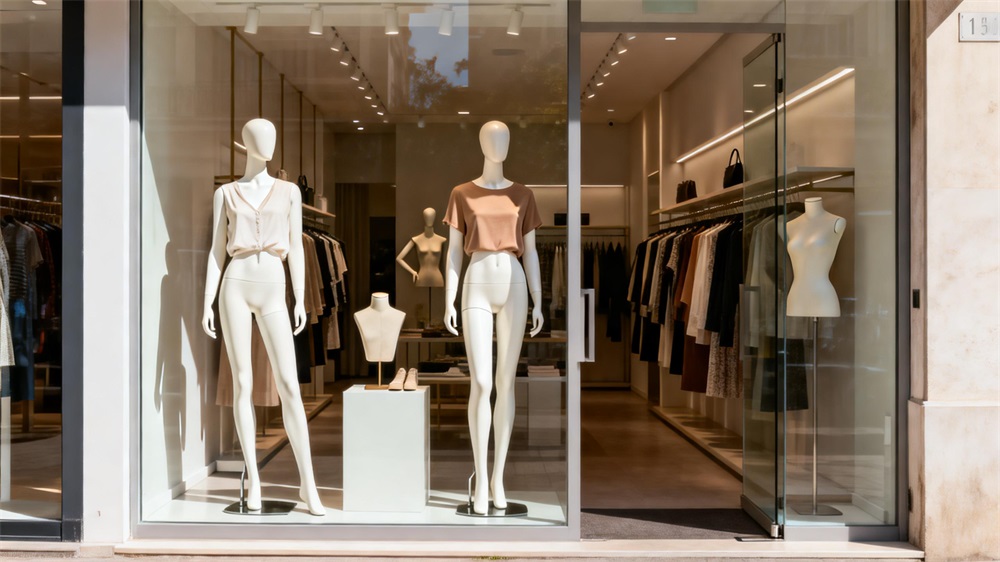
Mannequins never appear alone. They are contained within actual retail environments with actual constraints.
Store size, ceiling height, lighting, and flow patterns can affect what kind of mannequin is functional on a day-to-day basis.
Full-body mannekins are best suited for window displays and larger retail environments in which they can breathe visually.
Torso mannequins or half bodies will work better in smaller retail settings or where products are densely packed.
Headless mannequins are frequently used for contemporary interiors because they look and feel cleaner and less obtrusive.
Seated or lifestyle poses are effective for areas that promote a more laid-back, experiential, and not really transactional ambiance.
Practical advice from the manufacturing side can be summarized thus: in areas with a lot of foot traffic, a higher priority is placed on stability than many consumers realize. A dress form with a pleasing appearance but a tendency to tip or move when touched lightly can prove to be a real nuisance to the sales staff.
Material Selection: This is Where Experience Truly Counts
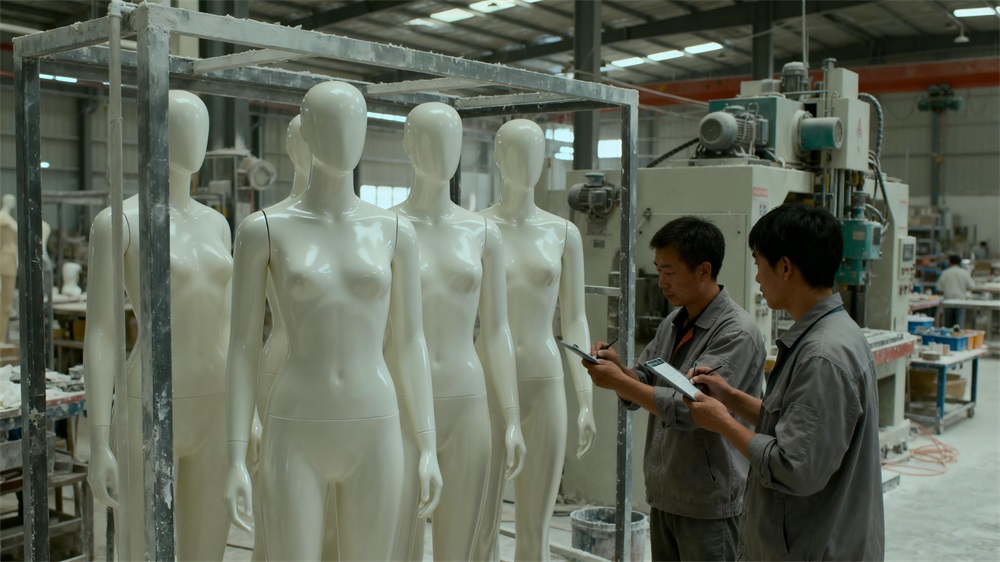
Materials selection is one area where the short versus long term is most blatant.
Fiberglass Mannequins
For professional retail use, fiberglass mannequins are the accepted norm, and for good reason.
They provide:
High structural strength
Even surface finish
Outstanding paint and surface durability
Long life span, even when the costume often changes
Yes, the initial cost for the mannequins made from fiberglass is higher. However, with time, they always prove to be less expensive when compared with the competition that cracks, yellows, or goes unstable.
Plastic Mannequins
Mannequins made of plastic are generally selected for projects based on cost constraints and may also be used for non-commercial purposes. However, in a real-life store, they tend to wear off quickly, and this usually occurs around the joints, shoulders, and points of attachment.
From a manufacturer’s point of view, many people purchasing plastic mannequins end up switching to fiberglass models once some operational difficulties are noticed.
Poses: Balance Visual Impact with Practical Use
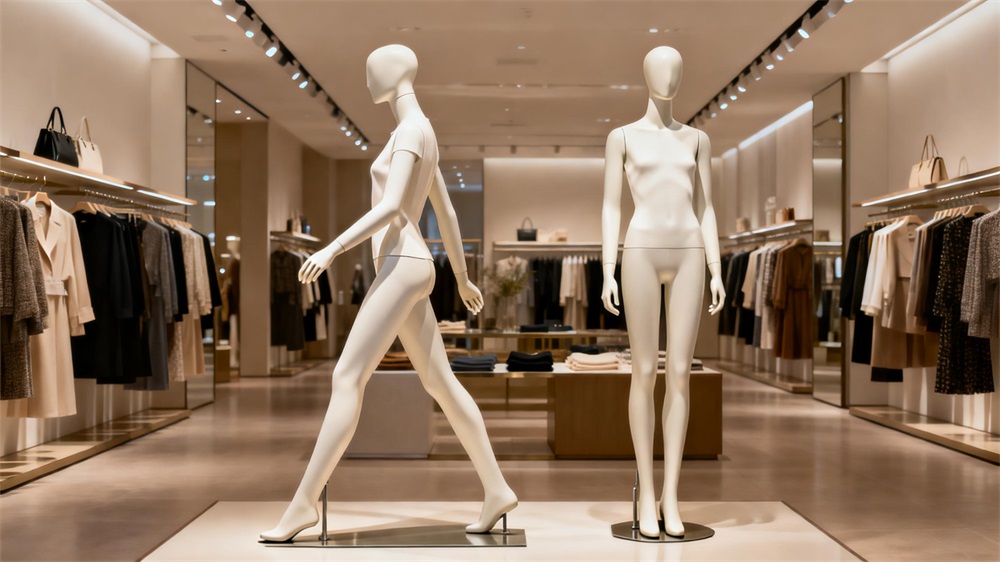
Pose selection is the intersection of aesthetics and functionality.
Dynamic posing increases attention and is useful for Windows, advertising, and Hero images. It increases excitement and pauses the passing customers.
Neutral standing angles are easier to photograph and rearrange into different marketing schemes since it is easier for the staff to dress and undress the models.
In reality, many experienced retailers have a mix of the above: statement posing positions for the focal points, and neutral mannequins for the rest of the floor. This keeps the display interesting without adding to the work or the expense of replacements.
Gender, Size, & Realistic Proportions Count
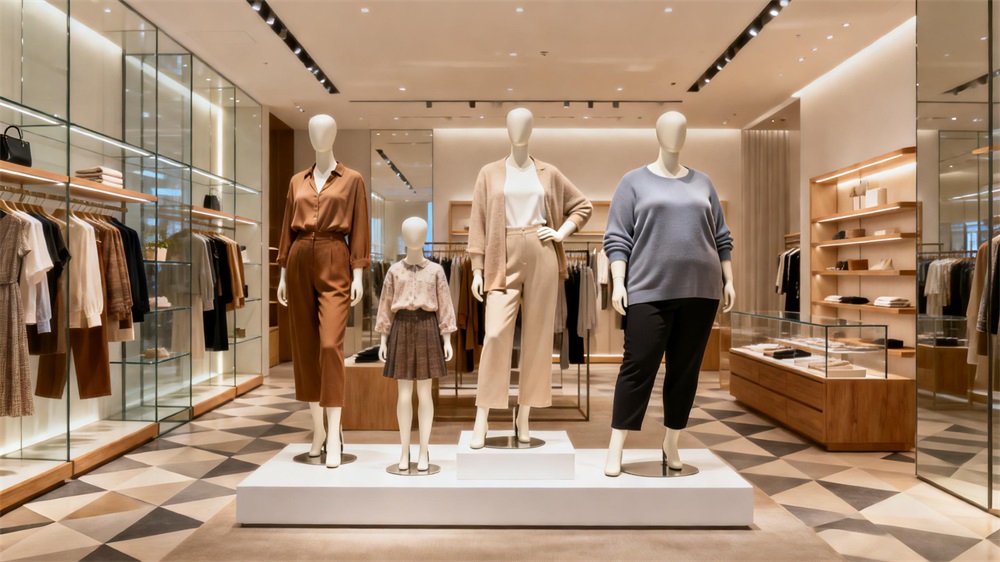
Consumers today demand representation, and the humble mannequin has a subtle yet pivotal part in that.
Factors to consider when choosing the appropriate combination of:
Male mannequins. Female man
Standard, petite, and plus-size models
Correct proportions for children's clothing
…enables customers to visualize how products might actually fit.
From the manufacturing perspective, the correct scale is very important. “Fashionable”-looking mannequins that fail to correspond with actual clothing sizes can create sizing issues or create an unrealistic silhouette for the wearing of garment items on the mannequin form.
Correct garment size and scale can be ensured with the use
A well-proportioned mannequin helps with styling and saves frustration for the visual merchandiser.
Finish and Color: Less Flash, More Function
Finishing mannequins should make them compatible with lighting, not against lighting.
Matte surfaces, whether white, black, or skin colors, are always more favorable as they:
Benefit: Reduces glare from store lighting
Describe fabric texture and weave
Take pictures regularly
A glossy/metallic finish might be appropriate in some designs but is not quite so flexible in a retail setting.
There may also be advice to evaluate the finishes with lighting conditions as they exist in an actual store to ensure consistency in colors and lighting across different locations, which is usually the case with
Localization: Customization and Consistency Across Stores
In brand or store growth, consistency counts.
"Customized" optioning, whether through special poses, custom colors, or interchangeable elements, helps to ensure that there is a cohesive visual identity across the distributed outlets. Perhaps equally important, standardized product designs assure easier replenishment, substitution, and expansion in the long run.
Those retailers that have a direct connection with a manufacturer may be able to take better advantage of this, particularly in long-term store development concepts as opposed to individual projects.
Conclusion
Mannequin shopping for your retail business has got NOTHING to do with trends—everything to do with making smart, long-range decisions that benefit your branding, your employees, and your customers.
From the manufacturer’s side, the optimal results would be achieved when the retailers not only think of a good surface appearance but also of the other dimensions.
Good mannequins won't draw attention to themselves. They will simply get the job done silently, with the aim of improving product displays, layout, and brand image.
CONTACT US
ART WING Display Mannequin, a China manufacturer of high-end-mid mannequins.
We dedicated to innovative design and focus on producing high-quality display production.
QUICK LINKS
PRODUCTS
ABOUT ART WING
SERVICE

Tel: +86-0769-33218711
E-Mail: info@ysydisplay.com
Add: A1#807, Tianan cyber building, Huangjin Road, Nancheng, Dongguan, China 523000.
Copyright © 2026 DongGuan Art Wing Display Co., Ltd | All Rights Reserved
Hello, please leave your name and email here before chat online so that we won't miss your message and contact you smoothly.