
Tel: +86-0769-33218711
E-Mail: info@ysydisplay.com
Add: A1#807, Tianan cyber building, Huangjin Road, Nancheng, Dongguan, China 523000.


Sustainable Shopfitting Displays | Long-Term Retail Strategy

Let’s have a moment of silence for all the "eco-friendly" retail displays currently sitting in landfills. You know the ones: made from organic, hand-knitted seagrass or recycled cardboard that lasted exactly three weeks before a customer sneezed and the whole thing collapsed.
In the retail world, "sustainability" has become the ultimate buzzword—a shiny sticker that brands slap on a fixture to feel better about their carbon footprint. But if you’re buying "green" materials every six months because your display concept keeps changing, you aren’t being sustainable. You’re just buying expensive trash.
From a manufacturer’s perspective, true sustainability isn’t about what a fixture is made of; it’s about how long it stays out of a dumpster.
1. The "Material" Trap: Why Your Recycled Plastic Won’t Save You
We’ve been conditioned to think that sustainability is a shopping list of materials. Recycled wood? Check. Non-toxic paint? Check. Minimalist vibes? Double check.
But here’s the reality check: If you build a fixture out of the most "sustainable" material on Earth but design it so specifically that it’s useless by next season, you’ve failed. Sustainability in shopfitting is measured in years, not in marketing claims. The most eco-friendly display in existence is the one you already own and are still using five years later.
2. Mannequins: The "Fast Fashion" of Shopfitting?
Mannequins are the biggest victims of the "disposable" mindset. Most brands don't replace mannequins because they break; they replace them because they’re "bored" or because the new creative director had a fever dream about 1970s disco poses.
That isn't a product failure; it’s a planning failure. A sustainable mannequin isn’t just one made of bio-resin; it’s one designed with lifecycle planning in mind. Can the pose work for both winter parkas and summer swimwear? Can the surface be refinished when the brand colors change? If your mannequins aren't adaptable, they aren't sustainable—they’re just plastic statues waiting for their turn in the landfill.
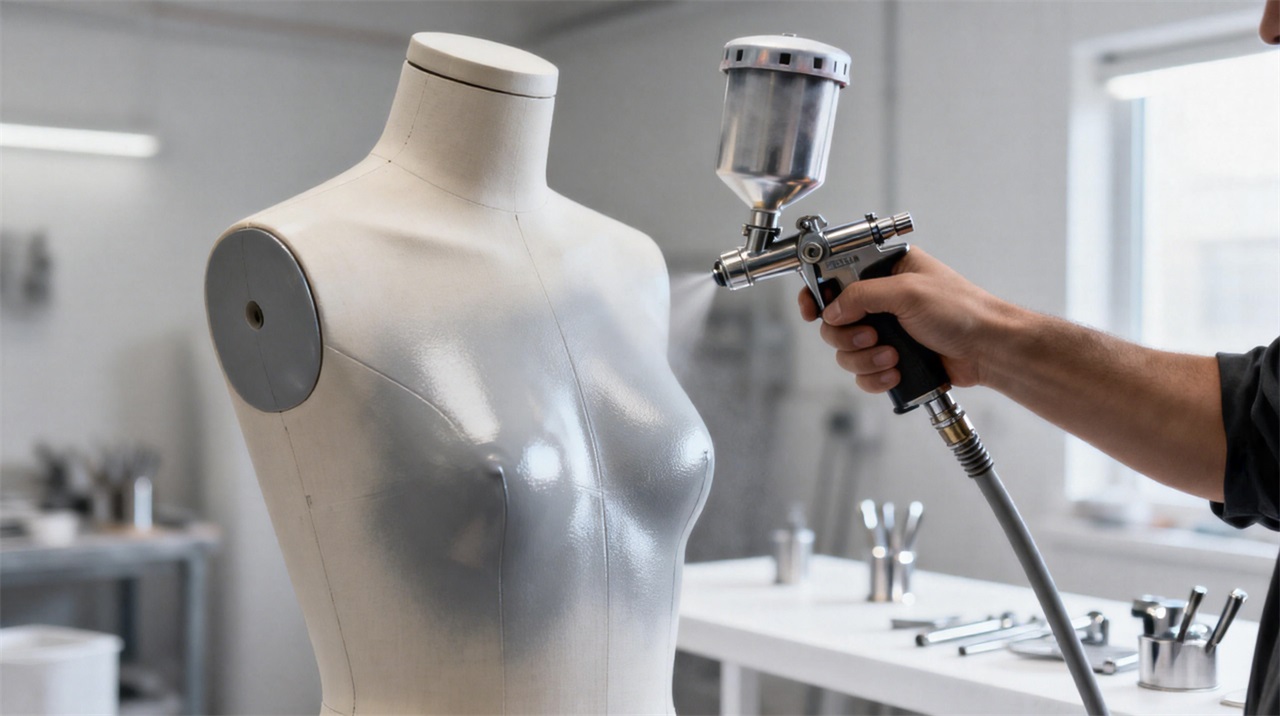
3. Strategy > Projects: The Adult Way to Do Retail
Most retailers treat shopfitting like a one-off DIY project. They buy what looks good now, for this store, for this campaign. This "project-based" thinking is the enemy of the planet (and your budget).
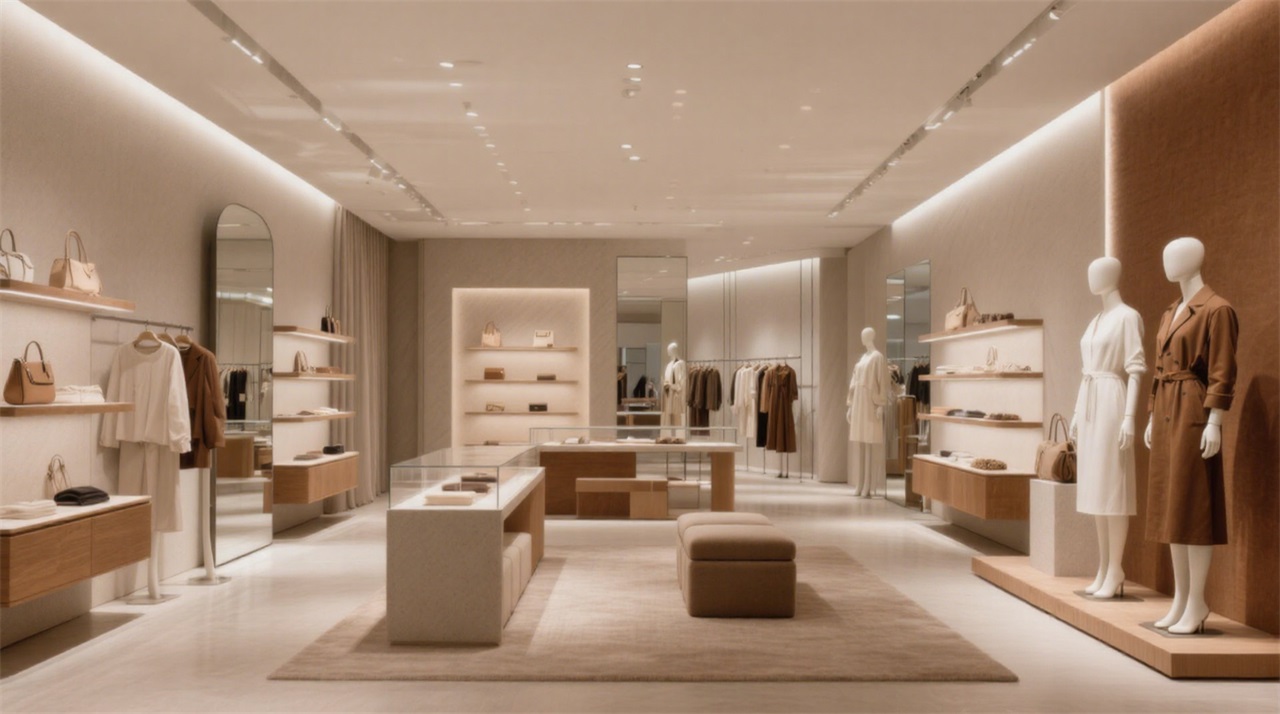
Smart brands—the ones who actually survive long-term—invest in a long-term retail display strategy. This means thinking like an architect, not a decorator. It means evaluating how a display system will evolve across different store formats, markets, and seasons before you even sign the purchase order.
When you plan for the long haul, you start looking for modularity and versatility. You realize that a mannequin that can bridge five different visual concepts is worth ten "trendy" ones that only work for a month. This approach shifts sustainability from a PR stunt to a cold, hard operational outcome.
4. The ROI of Not Being Trashy
Let’s talk about the only green that usually matters in the boardroom: money. A sustainable display strategy isn't just a win for the polar bears; it’s a massive win for your ROI.
Reduced Waste: You stop paying to haul old fixtures to the dump.
Simplified Logistics: Reusing assets means less shipping, less storage, and fewer "where did we put those racks?" headaches.
Consistent Brand Presence: Your customers recognize you across the globe because your core visual standards aren't changing every time a new trend pops up on Instagram.
The Final Verdict
Sustainability isn't a product you buy; it’s a way you think. If you want to be a truly sustainable brand, stop looking for "green" materials and start looking at your calendar. How long will this display last? How many ways can it be reused?
If the answer is "until the next trend," then it isn't sustainable. It’s just clutter with a better PR agent. Invest in planning, prioritize adaptability, and for the sake of your bottom line, build something that’s meant to last.
CONTACT US
ART WING Display Mannequin, a China manufacturer of high-end-mid mannequins.
We dedicated to innovative design and focus on producing high-quality display production.
QUICK LINKS
PRODUCTS
ABOUT ART WING
SERVICE

Tel: +86-0769-33218711
E-Mail: info@ysydisplay.com
Add: A1#807, Tianan cyber building, Huangjin Road, Nancheng, Dongguan, China 523000.
Copyright © 2026 DongGuan Art Wing Display Co., Ltd | All Rights Reserved
Hello, please leave your name and email here before chat online so that we won't miss your message and contact you smoothly.