
Tel: +86-0769-33218711
E-Mail: info@ysydisplay.com
Add: A1#807, Tianan cyber building, Huangjin Road, Nancheng, Dongguan, China 523000.


Quick Answer: In 2026, sustainable visual merchandising means shifting from disposable displays to durable, recyclable mannequins made with regenerated fiberglass, bio-based resins, and modular designs. Leading Chinese factories offer cost-effective, compliant solutions that reduce waste by up to 70% while maintaining high quality and fast delivery—helping EU/US brands meet strict regulations without inflating budgets.
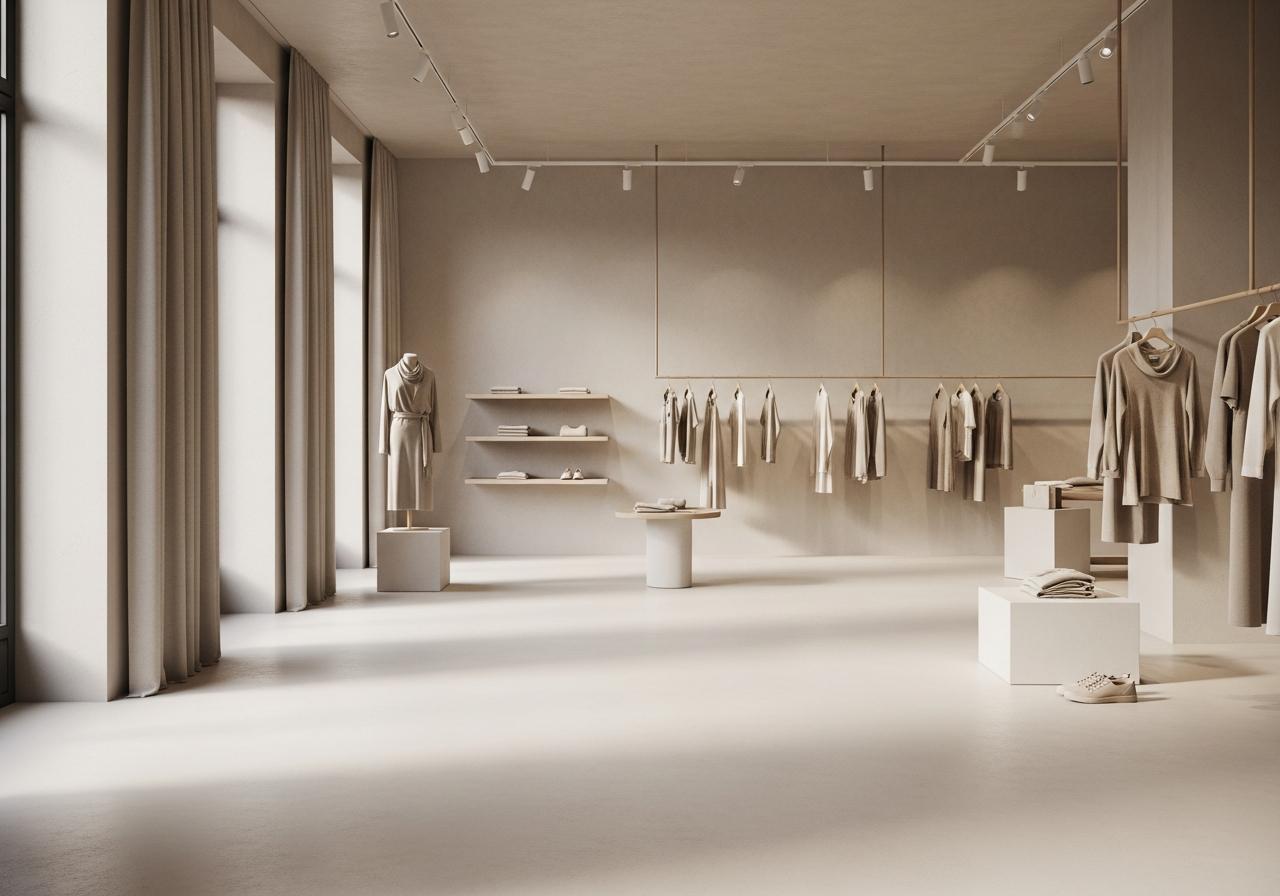
The fashion retail industry is under intense pressure to become more sustainable. Consumers, regulators, and investors now expect brands to minimize environmental impact at every stage—including visual merchandising. Traditional disposable displays and short-lifespan mannequins contribute significantly to retail waste, often ending up in landfills after just one or two seasons.
In 2026, “beyond disposable displays” is no longer a nice-to-have—it’s a necessity. New EU regulations (ESPR, Digital Product Passport, and extended textile responsibility rules) require greater recyclability and lower carbon footprints. Brands that fail to adapt risk fines, lost market access, and reputational damage.
Written by Martins, a veteran with 8+ years in a leading mannequin manufacturing factory in Mainland China. I’ve helped numerous European and North American wholesalers, brands, designers, and chain store managers transition to greener display solutions while controlling costs and lead times.
This guide explores practical ways to make visual merchandising truly sustainable—without sacrificing aesthetics, durability, or profitability.
Last updated: January 22, 2026.
· Why Must Visual Merchandising Move Beyond Disposable Displays in 2026?
· What Are the Key Sustainable Materials for Mannequins and Fixtures?
· How Can Brands Meet EU Sustainability Regulations Without Overpaying?
· How Do Chinese Factories Enable Cost-Effective Green Transitions?
· What Role Does Modular and Recyclable Design Play in Reducing Waste?
· How to Balance Customization with Sustainability Goals?
· Summary / Key Takeaways
· Frequently Asked Questions
· Conclusion / CTA

Direct Answer: Disposable displays generate massive waste and regulatory risk. By 2026, EU laws mandate higher recyclability and lower emissions; brands using traditional short-life mannequins face penalties and consumer backlash. Switching to durable, recyclable alternatives cuts waste 50–70% and strengthens brand reputation.
Fast fashion’s seasonal churn has historically treated mannequins as single-use props. A typical fiberglass mannequin lasts only 2–3 years in high-traffic stores before cracking or becoming outdated.
· EU Eco-design for Sustainable Products Regulation (ESPR) requires durability and recyclability scoring.
· Digital Product Passport will track material origin and end-of-life options starting 2026–2027.
· McKinsey 2025 report: 65% of consumers prefer brands with fully sustainable in-store experiences.
Brands that ignore these shifts lose competitive edge. Early adopters report 15–20% higher customer loyalty when visual merchandising aligns with sustainability claims.
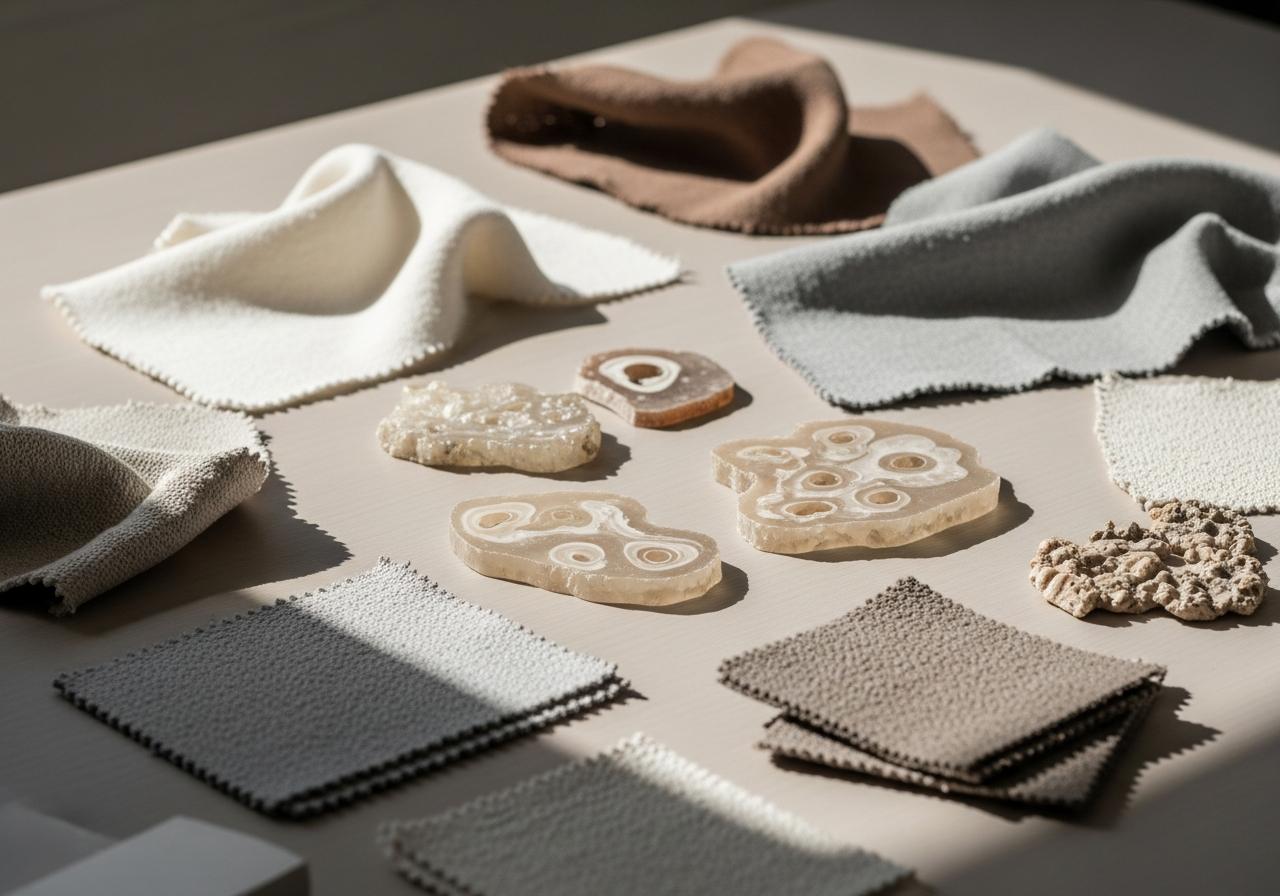
Direct Answer: The best 2026 options are regenerated fiberglass, bio-based resins, recycled PET, and plant-derived composites. These materials offer comparable durability to traditional fiberglass while achieving 50–90% recyclability and significantly lower carbon footprints.
Modern sustainable materials match—or exceed—conventional performance.
· Regenerated Fiberglass: Made from post-industrial waste; fully recyclable.
· Bio-based Resins: Derived from corn or sugarcane; biodegradable options available.
· Recycled PET Forms: Lightweight, strong, and 100% from recycled bottles.
· Bamboo or Hemp Composites: Natural, renewable, ideal for fixtures and props.
Material | Durability | Recyclability | Carbon Footprint Reduction | Relative Cost |
Traditional Fiberglass | High | Low | Baseline | Lowest |
Regenerated Fiberglass | High | 80–90% | 40–60% | +5–10% |
Bio-based Resin | Medium–High | 50–100% | 50–70% | +10–15% |
Recycled PET | High | 100% | 60–80% | +8–12% |
Chinese factories have invested heavily in these materials, offering stable supply and consistent quality.
Direct Answer: Partner with manufacturers that provide certified, compliant materials and third-party testing reports. Chinese factories routinely supply REACH-, RoHS-, and ESPR-ready mannequins at 25–40% lower cost than European producers, making regulatory compliance affordable.
Compliance doesn’t have to mean premium pricing.
1. Request material safety data sheets and recycling certificates upfront.
2. Choose suppliers with ISO 14001 environmental management certification.
3. Opt for Digital Product Passport-ready designs (QR-coded material tracking).
Many Chinese manufacturers already include these certifications at no extra charge for volume orders.
Direct Answer: Chinese factories combine scale, vertical integration, and advanced production to deliver sustainable mannequins 30–40% cheaper than EU/US equivalents, with lead times of 4–6 weeks and low MOQs—ideal for brands testing eco-lines without large upfront investment.
Scale drives sustainability affordability.
Region/Source | Price per Mannequin (USD) | Lead Time | Sustainable Material Availability | Typical MOQ |
Mainland China Factories | 45–90 | 4–6 weeks | Excellent (full range) | 20–50 |
European Local Producers | 140–280 | 3–5 weeks | Good | 50–100 |
North America | 160–320 | 4–6 weeks | Growing | 100+ |
India | 40–80 | 6–8 weeks | Improving | 100+ |
Chinese suppliers excel in balancing cost, speed, and eco-performance.
Direct Answer: Modular mannequins—with detachable limbs, interchangeable heads, and reusable bases—extend lifespan to 8–10 years and enable 90% material recovery at end-of-life, dramatically cutting seasonal waste compared to fixed disposable forms.
Modularity turns mannequins into long-term assets.
· Easy pose and style updates without new purchases.
· End-of-life take-back programs offered by progressive factories.
· Reduced transportation emissions via lighter, nested shipping.
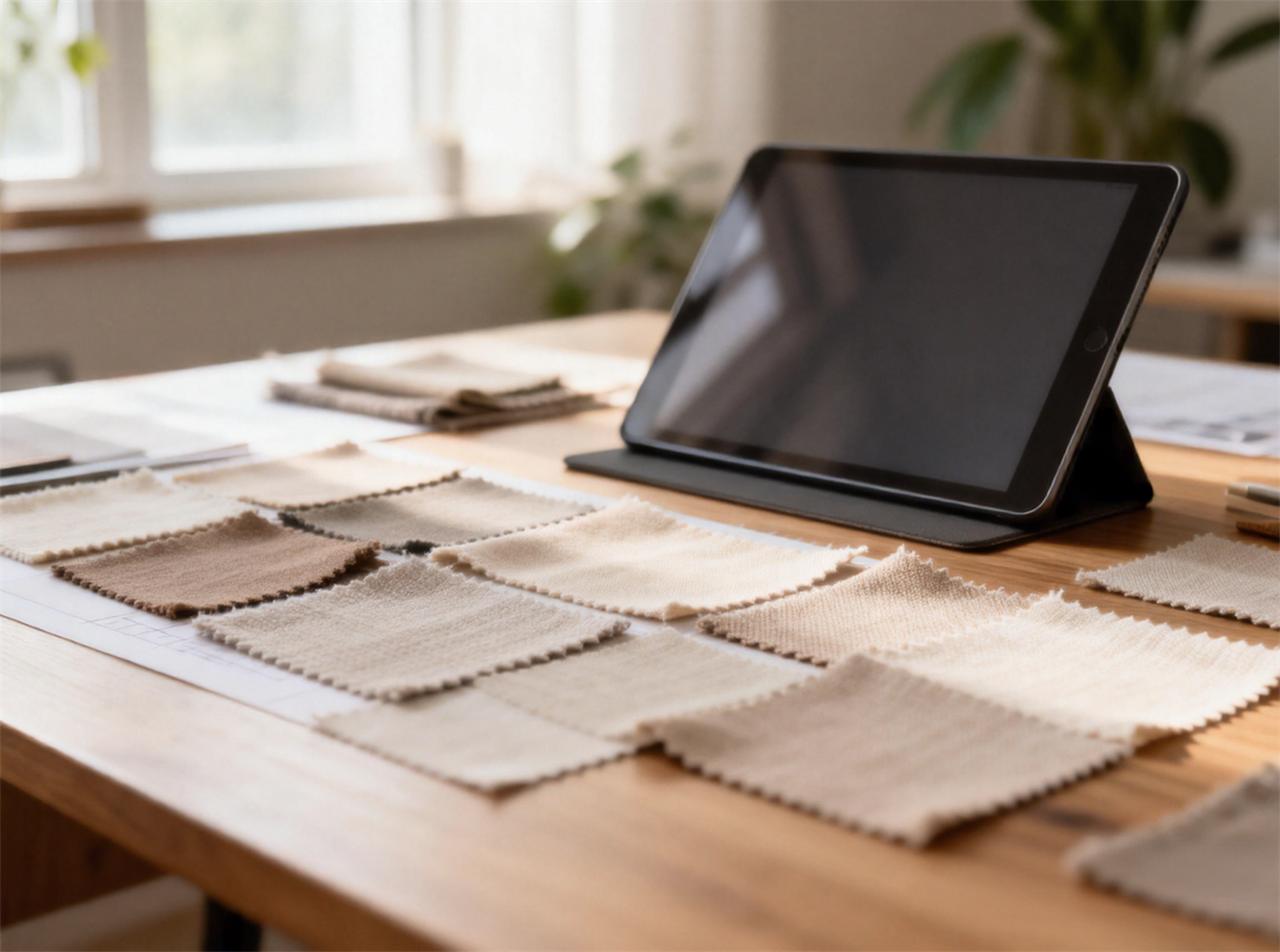
Direct Answer: Use AI-assisted 3D design and flexible molding to create custom body shapes, skin tones, and poses with sustainable materials. Leading Chinese factories offer rapid prototyping (2–3 weeks) and small-batch customization without compromising recyclability.
Customization and sustainability are no longer trade-offs.
1. Submit design brief or 3D scan.
2. Receive digital proof within days.
3. Approve small-batch sample.
4. Scale to full production using eco-materials.
This approach satisfies diverse representation needs while staying green.

· Disposable displays are becoming obsolete—regulatory and consumer pressure demands durable, recyclable alternatives.
· Regenerated fiberglass and bio-based resins deliver performance with 50–80% lower environmental impact.
· Chinese factories provide the most cost-effective path to compliance and quality.
· Modular design extends lifespan and slashes waste.
· AI-driven customization makes personalized eco-mannequins accessible.
· Start small: test certified samples before full rollout.
· Compliance builds brand trust and future-proofs your business.
· Action now prevents costly retrofits later.
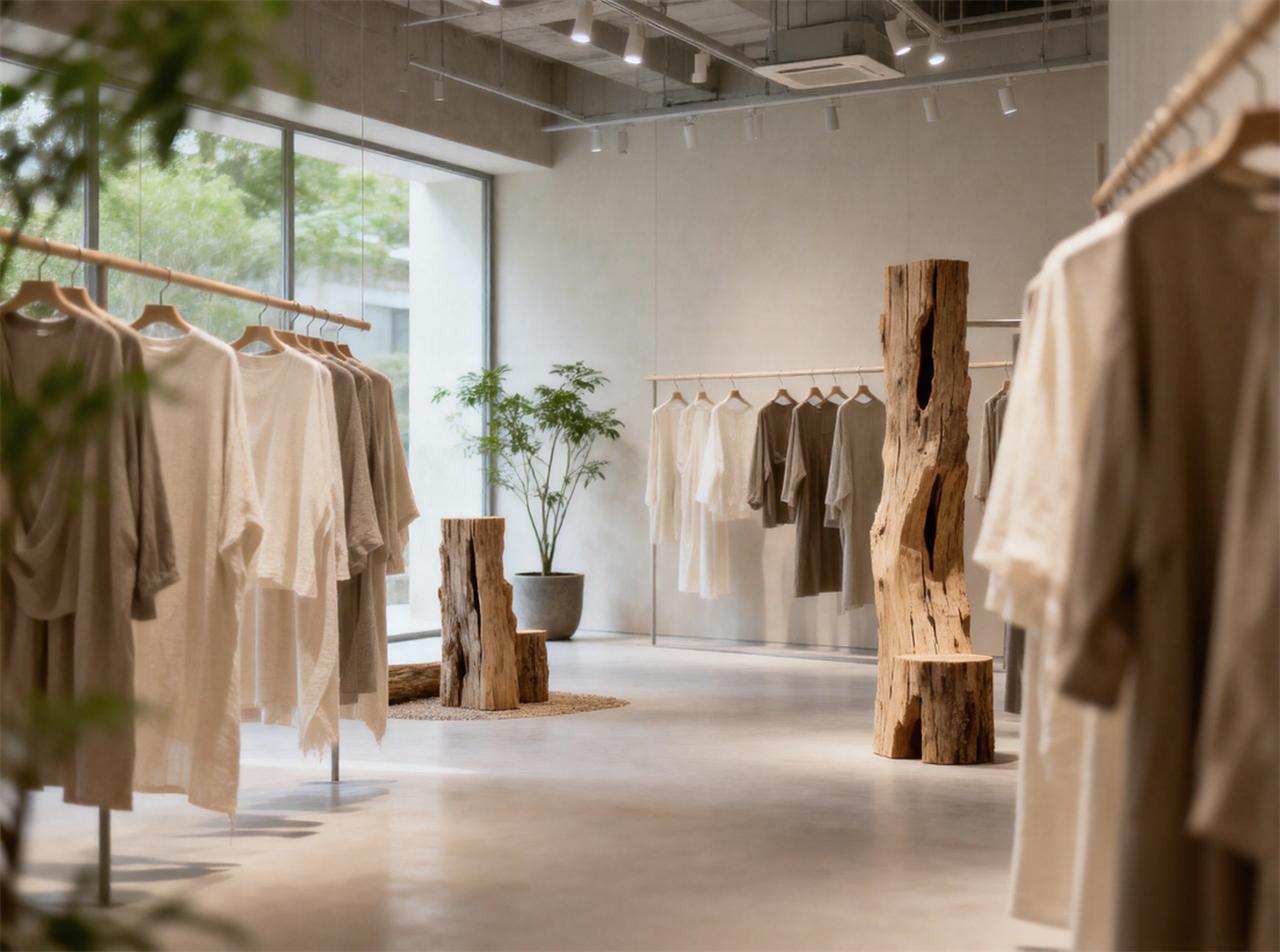
Yes—regenerated fiberglass and high-grade recycled PET match or exceed conventional durability while offering superior recyclability. Independent tests show no significant difference in impact resistance.
Initial cost is typically 5–15% higher, but total lifecycle cost is lower due to longer lifespan and reduced replacement frequency. Chinese suppliers keep the premium minimal.
Request REACH, RoHS, and ESPR-ready certification plus material passports from your manufacturer. Reputable Chinese factories routinely provide these documents.
Absolutely. Advanced factories support full customization—body size, skin tone, posture—using eco-resins without limitations.
Many Chinese manufacturers offer flexible MOQs starting at 20–50 pieces, ideal for testing new lines or smaller chains.
No—surface finish, detail, and aesthetics are identical to premium traditional mannequins. The difference is in the material composition, not appearance.
Moving beyond disposable displays is one of the most impactful steps fashion retailers can take toward genuine sustainability. The technology, materials, and supply chains already exist—especially from scalable, innovative Chinese manufacturers.
If you’re ready to upgrade your visual merchandising while meeting 2026 regulations and consumer expectations, let’s talk.
Contact me at info@aw-display.com for samples, material certifications, or a customized quote. Subscribe for more practical guides on sustainable retail display solutions.
CONTACT US
ART WING Display Mannequin, a China manufacturer of high-end-mid mannequins.
We dedicated to innovative design and focus on producing high-quality display production.
QUICK LINKS
PRODUCTS
ABOUT ART WING
SERVICE

Tel: +86-0769-33218711
E-Mail: info@ysydisplay.com
Add: A1#807, Tianan cyber building, Huangjin Road, Nancheng, Dongguan, China 523000.
Copyright © 2026 DongGuan Art Wing Display Co., Ltd | All Rights Reserved
Hello, please leave your name and email here before chat online so that we won't miss your message and contact you smoothly.